
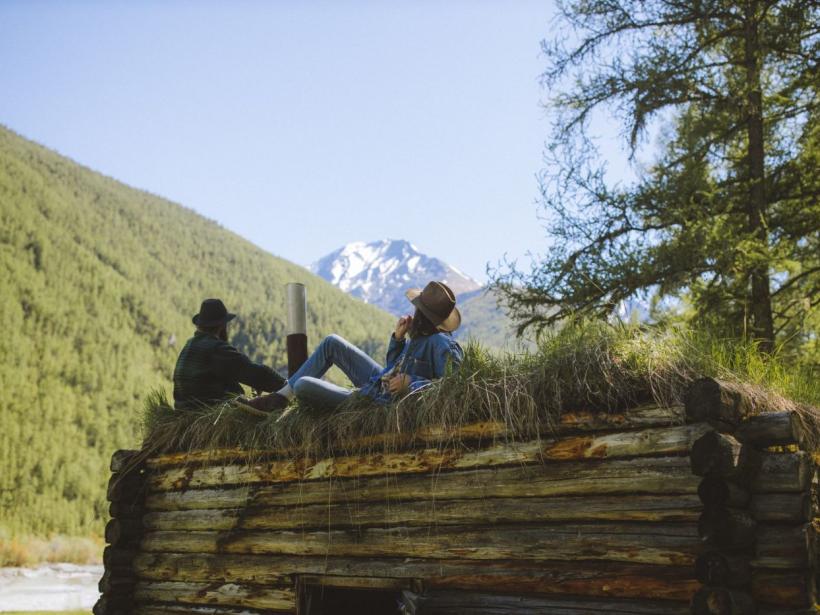
What kind of mountain weekend actually suits a couple
A weekend that works for both of you starts with a frank chat about energy levels and downtime. One partner might dream of summit hikes while the other wants a slow morning with a book and a view. Pick a tour style that gives each of you something to look forward to, rather than a compromise that leaves one person sore and the other restless.
Lodge-based weekends with optional day walks tend to suit mixed-fitness couples best. You get a comfortable base, a hot shower and a choice each morning: tackle a longer trail or stay back for a short stroll and a long lunch. Purely hiking itineraries work when you both already walk similar distances at home and neither of you minds carrying a daypack for five or six hours.
Think about what downtime looks like for each of you:
- A lodge with a fireplace and a wine list suits couples who want to talk and unwind after the walk
- A tour with guided meditation or yoga sessions suits those who treat the weekend as a reset
- A self-guided itinerary with a mapped route suits independent pairs who dislike group schedules
- A food-focused farmstay in the high country suits couples who bond over long meals and local produce
- A photography or nature-journaling weekend suits pairs who prefer observing to covering distance
- A summit-chasing itinerary with early starts suits couples training together for a bigger trek
What a good two-day mountain itinerary looks like

A realistic itinerary has more free hours than scheduled activities. Count the driving time between stops on a map before you book. If the first day crams in four lookouts, a cave walk and a winery lunch across 180 km of winding roads, you will spend most of the weekend behind the windscreen. A well-paced two-day trip usually has one main walk or activity each morning, a relaxed lunch and an afternoon with at least three hours to explore on your own or simply sit with a view.
Meal breaks tell you a lot about the operator's priorities. An itinerary that lists "lunch at own expense, 45 minutes" at a roadside stop with one café is a red flag. Look for tours that name the venue, allow 90 minutes for a meal and position it somewhere you would actually want to linger. A good operator builds the day around a shared long lunch rather than treating food as a pit stop between checkpoints.
Evenings matter just as much as daylight hours. Check whether dinner is included and where it happens. The best itineraries end the day at a single accommodation base, not a late transfer to a different town. You want time to shower, change and walk to a nearby restaurant together, not arrive at 8 pm with ten minutes before the kitchen closes.
How to check a tour operator before you book
A polished website reveals nothing about how a guide handles rain, a grumpy guest or a closed trail. Start by confirming the operator has a real local base, not just a booking office in a city three hours from the mountains. A physical address in the region and a landline number give you someone to call when plans shift last minute.
Read recent reviews with a specific focus. Skip the star rating and search for comments that mention the guide by name, describe how they dealt with a hiccup or note whether the group felt rushed. A pattern of guests saying the guide was distracted or the itinerary skipped promised stops counts more than a single complaint about the weather. Check the cancellation terms on their own site rather than a third-party platform, because the refund window and what counts as a valid reason differ between operators.
Before you pay, check these points:
- The operator lists a street address in the mountain town and a local phone number.
- At least three reviews from the past six months mention a guide by name and describe their manner.
- Cancellation terms are written in plain English on the operator's own website, not buried in a booking widget.
- The itinerary names specific lookouts, tracks or lunch stops rather than vague phrases like "scenic highlights".
- Photos on their social pages show small groups, not a busload, and weather that matches the season you plan to travel.
What drives the price of a weekend mountain tour

A lower headline price often means you pay for extras along the way. One operator may quote $380 per person with breakfasts and park entry included, while another advertises $290 but treats lunch, gear hire and shuttle transfers as optional add-ons. Ask for a written list of inclusions before you compare two quotes.
Meals are the easiest place for a tour to trim costs. A fully catered weekend might give you two breakfasts, two packed lunches and one group dinner. A self-catered version hands you a kitchen and expects you to bring your own food, which shifts roughly $60-90 per person back onto your bill. Transfers work the same way: some tours pick you up from a central bus stop, others charge separately for door-to-door lifts or leave you to drive to the trailhead yourself.
- Park entry and camping permits, typically $25-45 per person, are sometimes bundled and sometimes left for you to buy at the gate.
- Specialist gear like trekking poles, daypacks or waterproof jackets may be included with premium operators and rented separately with budget ones.
- Group size affects the price. A tour capped at six guests costs more than one running with fourteen, but you get a quieter pace and more one-on-one time with the guide.
- Guides with remote-area first-aid certification or local naturalist knowledge often command a higher fee, and the difference shows when weather turns or wildlife appears.
- Single-supplement charges can sneak into a quote if you assume the advertised price covers a private room rather than a shared tent or lodge bunk.
Questions to ask before you hand over a deposit
Before you pay, a few direct questions will tell you whether the weekend is built for a couple or just tolerates pairs. Ask them by phone or email and listen for a clear answer, not a vague promise.
- What is the maximum group size and how many other couples usually book? A group of six feels very different to a coach of thirty.
- Are we guaranteed a private room with one bed, or could we end up in twin share or a dorm setup?
- What is the guide-to-guest ratio on the walks and is the guide with the group the whole time or only at set points?
- If heavy rain or fog cancels the main walk, what is the backup plan and is it included in the price?
- Can you send me a sample itinerary from a recent trip so we can see the real pace and downtime, not just the brochure outline?
A tour built for two people will answer these without hesitation. If the operator dodges the room question or cannot name the guide ratio, keep looking.
Signs the tour might disappoint you both

A few early clues can save you from a weekend that feels more like a logistics chore than a break. Notice how the operator communicates before you commit, not just the glossy brochure.
Vague meeting arrangements are a common red flag. If you cannot get a clear pickup point and time before booking, the operator may be cobbling the trip together on the fly.
- The website relies on stock images or generic mountain scenes rather than photos from actual recent trips with real guests.
- No straight answer about the maximum group size, or a promise of “small groups” without a firm number.
- The itinerary lists activities as optional extras with separate fees that were not disclosed upfront.
- Accommodation is described only as “mountain cabin” or “guesthouse” with no name, photos or address you can check independently.
- Communication is slow or dismissive when you ask practical questions about weather backup plans or transport between stops.
- Reviews mention a rushed pace, long hours in a minibus or a guide who doubled as the driver with little time for the group.
When to book and what to pack for a mountain weekend
For ranges within a few hours of the Northern Rivers, like the Gibraltar Range or Barrington Tops, the best booking windows open about six to eight weeks ahead for autumn and spring trips. These seasons give you stable walking weather and fewer crowds than the summer school holidays. Winter weekends in the high country often still have availability a fortnight out, but cabins with a fireplace tend to go first.
Mountain weather shifts quickly, so pack for two in layers rather than checking a single forecast. A shared daypack should hold everything you both need for a few hours on a trail, leaving your main bags in the car or lodge.
- A waterproof shell jacket each, even when the morning sky is clear.
- One warm mid-layer per person, such as a fleece or a light wool jumper.
- Sturdy shoes with grip that you have already worn in on shorter walks.
- A refillable water bottle each and a basic first-aid kit with blister plasters.
- Sun protection and insect repellent, because UV and biting insects ignore the season.
- A head torch with fresh batteries, in case an afternoon walk runs later than you planned.
Frequently asked questions
Should we choose a private tour or a small-group departure?
A private tour gives you full control over pace and stops, which matters if your ideal day differs from your partner's. A small-group trip costs less and can feel more social, but check the maximum group size first. Anything over 12 people tends to lose the quiet mountain feel many couples look for.
What if the weather turns bad on our weekend?
Ask the operator for their wet-weather plan before you book. A good operator will have an alternative route, a sheltered lunch spot or a backup activity that is not just sitting in a van. Also check whether they cancel and refund or simply run the trip regardless of conditions.
How much hiking should a weekend tour include?
Look for a tour that states walking distances and elevation gain in the itinerary. For a relaxed couple's weekend, 4 to 8 kilometres a day with a long lunch break works well. If one of you is a keen hiker and the other is not, pick a tour that offers a shorter loop option so no one feels pushed.
Are mountain weekend tours near the Northern Rivers worth the drive?
Several ranges within a half-day drive from the Northern Rivers offer cool-air escapes in summer and clear winter views. The key is finding an operator who starts the tour from a town close to the trailhead, so you are not spending half your weekend in transit. Check the pickup point and total driving time before you commit.
Photo: Yaroslav Shuraev, Pexels (Pexels License)