
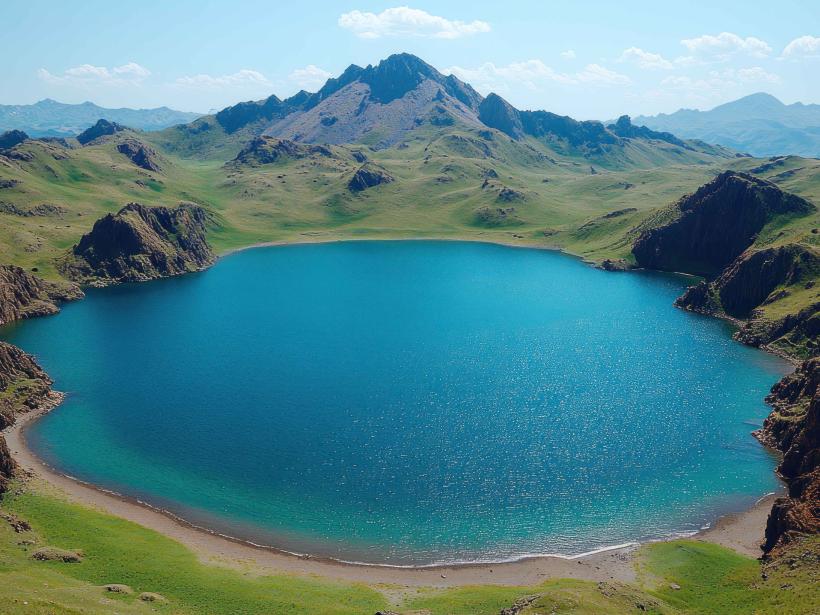

Lake Titicaca doesn’t knock before entering. It just walks straight into your bones and takes up space. It’s not the kind of destination you tick off a list – more like one that wraps around your thoughts long after you’ve left. And no, that’s not an exaggeration. It’s too high, too still, too quiet, too loud with color and custom to be anything ordinary.
There’s this huge stretch of glassy water that reflects not just the sky but some other world you didn’t know existed. The place has an energy – slow but persistent, like it’s whispering old stories in a language your body understands but your mind can’t quite translate.
If you’re looking for something you can schedule down to the minute, a Lake Titicaca vacation might rattle you. But if you’re open to being gently disoriented in the best way, keep reading.
First Things First: Uros and Taquile
To get your bearings, float out to the Uros Islands. You’ve never seen anything like them. Whole islands made of reeds – homes, paths, boats, everything. They bounce when you walk. Not metaphorically. Actually bounce.
The people who live here have been doing so for generations. The lake feeds them, supports them, shelters them. And they’ve turned those reeds into art, into daily life, into everything. Nothing feels performative. It’s just life, lived in rhythm with the water.
Next, go climb the stone paths of Taquile Island. It’s steep, so take it slow. The culture here is flipped in the most beautiful way:
- Men knit – really well. Every hat, every pattern means something. You’ll see love stories stitched into headwear.
- Women spin – gracefully, constantly. Threads made from memory, not manuals.
- No one’s performing for tourists. They're just being, and you get to stand nearby and watch.
There’s lunch, usually lake fish and potatoes, eaten outside under a sun that feels closer than it should. You don’t rush it. No one does.
Culture That Sits in Your Chest
You can’t skim the surface here. If you do, you’ll miss the whole point. Travel to Lake Titicaca isn’t about checking sights off some itinerary. It’s about letting the culture rise up around you – slow and thick, like fog over still water.
Language here has texture. People speak Aymara and Quechua like songs passed through generations. You hear them in markets, in homes, in silence too. Just being there, you start feeling smaller – but in that good, humbled way.
Markets are wild and soft all at once. Wool things that still smell like sheep. Jewelry that jingles with movement. Colors that don’t even try to match – and somehow look perfect together.
Let’s talk food:
- Chairo – Hearty stew with freeze-dried potatoes, meat, and mystery. Feels like it was made by someone who actually cares.
- Grilled trout – Caught that morning, served with rice and no apology.
- Quinoa soup – Not fancy, but healing. Warms you from the center out.
Nothing’s trying too hard here. That’s what makes it so good.
Not Your Average Checklist
If you’re still wondering what to do at Lake Titicaca, don’t expect neon signs or constant noise. This place works differently. It offers, never insists. But if you know where to look – or just trust the flow – here’s where it gets good:
- Sunrise on a reed boat – It creaks. It moves slowly. Everything is gold. You won’t need photos.
- Festivals in Puno – No idea what they’re celebrating? Doesn’t matter. It’s loud, bright, chaotic, and somehow sacred.
- Hike Amantani at dusk – Take your breath (and possibly your knees). But the silence up there? Unmatched.
You don't need a plan. Just decent shoes and enough openness to let the day tell you what to do.
The When and the How
Dry season’s your best bet – May to September. Sky’s a clear blue sheet stretched from one side of the lake to the other. Nights are crisp, mornings cold, afternoons warm enough to peel off layers you’ll need again by dinner.
Most people come through Puno. It’s not pretty, not ugly – just a launch point. You’re not there for the town anyway. From the port, you’ve got boats going out daily to all the places worth seeing. Go guided if you want structure. Go solo if you don’t.
Some stuff to keep in mind:
- The altitude will mess with you. Go slow. Breathe more than you talk.
- Dress like you’re confused about the weather – because it is.
- Don’t snap photos without asking. People here still carry themselves like their dignity matters. And it does.
What Stays After You Leave
You leave Lake Titicaca with more than you brought. Not in your bag – your bag’s probably full of itchy scarves and salt-dusted snacks. What stays is quieter, heavier, better.
Something shifts. Maybe it's just the altitude playing tricks on your blood. Or maybe it’s that you’ve been somewhere where things are still made by hand, where people talk slowly and mean what they say, where the sky actually meets the water without anyone interfering.
A trip to Lake Titicaca doesn’t change your life. It changes your pace. Your breath. Your understanding of stillness.
You won’t forget it. That’s not romanticism. That’s just how it is.