

Why Visit New Orleans?
New Orleans has a character unlike anywhere else in the United States — a French and Spanish colonial history, live music on nearly every corner of the French Quarter, and a food scene built around Creole and Cajun cooking that's genuinely distinct from the rest of American cuisine.
What to Actually Do There
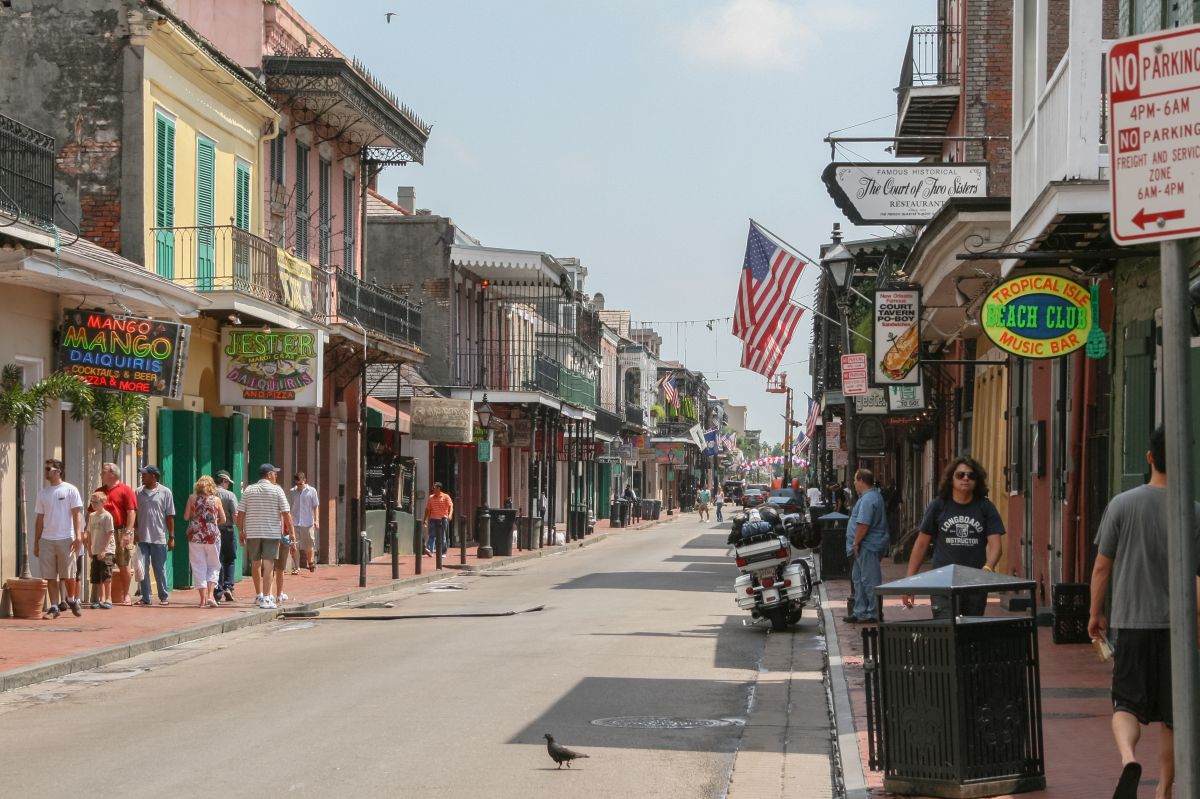
The French Quarter
The historic heart of the city, with balconied colonial architecture, live jazz spilling out of bars, and Jackson Square at its centre — walkable, dense, and best experienced slowly rather than rushed through.
Live Music
New Orleans' music scene runs deep beyond the tourist strip of Bourbon Street — Frenchmen Street is where many locals go for jazz and brass bands without the crowds.
Creole and Cajun Food
Gumbo, jambalaya, and beignets are the obvious starting points, but the city's food culture runs deeper than any single dish — it's worth eating at both a well-known institution and a small neighbourhood spot.
How Long to Allow
Three to four days covers the French Quarter, live music, and food scene at a comfortable pace without feeling rushed.
New Orleans at a Glance
| Detail | Info |
|---|---|
| Main draw | Music, food, colonial architecture |
| Key area | French Quarter |
| Time needed | 3–4 days |
| For live music | Frenchmen Street, beyond Bourbon Street |
Frequently Asked Questions
How many days do you need in New Orleans?
Three to four days covers the French Quarter, live music venues, and the food scene at a comfortable pace.
Where do locals go for live music in New Orleans?
Frenchmen Street is a common local alternative to Bourbon Street, with a strong jazz and brass band scene and generally smaller crowds.
What food should you try in New Orleans?
Gumbo, jambalaya, and beignets are good starting points, but the city's Creole and Cajun food culture goes well beyond those few dishes.