
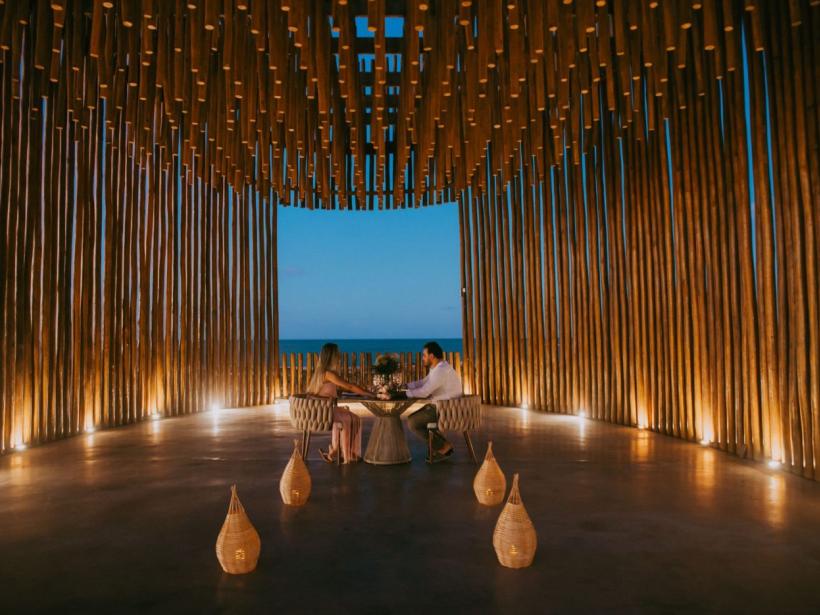
Which Italian town suits a couple best?
The right town depends on the rhythm you both enjoy. A quiet coastal village gives you long walks and slow seafood lunches, while a hill town in Tuscany or Umbria offers misty mornings and evenings in a piazza with a single bell tower ringing. An art city such as Florence or Rome suits couples who like to start the day with a gallery and end it with a wine bar.
Smaller places tend to feel more intimate after dark because day-trippers leave by late afternoon. Think about the backdrop you want and how much moving around you are willing to do.
- Positano or a quieter Amalfi Coast village for coastal views, steps and aperitivo on a terrace.
- Lucca for flat cycling on the walls, a compact historic centre and easy train links to Florence.
- Venice out of peak hours rewards those who wander the back canals and sit in a quiet campo.
- Matera for a dramatic stone-city setting that feels unlike anywhere else at twilight.
- Pienza or Montepulciano for a slow Tuscan hill-town stay with pecorino and valley walks.
- Bologna for a food-focused trip with portico strolls and a lived-in, less polished atmosphere.
When is the best time of year for a couples trip?

Late spring and early autumn give you the most comfortable balance. May, early June, September and October bring mild days around 20-25°C across most of the country, fewer tour groups and noticeably lower accommodation rates than the July-August peak. You can walk through hill towns without the crush and find a quiet table at a trattoria without a booking.
July and August test your patience. The major cities and the Amalfi Coast fill to capacity, midday heat in Rome or Florence regularly pushes past 32°C and hotel prices can double. If summer is your only window, pick a lesser-known region like Le Marche or Puglia where the crowds thin out. November and February offer the lowest prices and real solitude, though you will need a coat and some coastal restaurants close for the season.
Avoid the week around Ferragosto, the 15th of August. Many family-run shops and restaurants shut and Italians head to the coast, so inland towns feel half-empty. Late April can also catch Easter crowds if the dates overlap, so check the calendar before you lock in flights.
How do you find a hotel that feels romantic without being gimmicky?
A genuinely romantic stay comes from space, light and a setting that gives you room to be together. Skip the rose-petal packages and look for practical details that make daily life feel effortless. A small boutique hotel or a family-run guesthouse usually delivers more warmth than a large chain where you are just a booking number.
Filter your search by these concrete details, then read the reviews with a specific focus:
- Choose a room of at least 25 square metres so you are not stepping over each other’s luggage.
- A private terrace or a balcony with two chairs and a table matters more than a four-poster bed.
- Scan recent reviews for the words “quiet at night” and “thick walls” rather than “romantic decor”.
- Look for a walk-in shower with decent water pressure, mentioned by name in guest comments.
- Pick a location on a side street three to five minutes on foot from the main square, not directly on it.
- Check that the window actually opens and has a view of something green or old stone, not a wall.
A place that gets the fundamentals right gives you a calm base. When you read reviews, ignore the star ratings and search for phrases like “we slept so well” or “breakfast on the terrace was the highlight”. Those small, specific moments tell you far more about how a hotel feels for a couple than any styled photo.
How far ahead should you book restaurants and experiences?

Restaurants with a reputation, a view or a Michelin star often release tables two to three months ahead, and the prime Friday or Saturday slots disappear within hours. A rooftop bar in Florence or a canal-side table in Venice is worth locking in the moment your flights are confirmed. Set a calendar reminder for the exact date bookings open, because waiting even a week can leave you with a 5pm or 10pm sitting instead of a sunset dinner.
For most trattorias and osterias, a phone call on the morning of the meal or the day before is enough. These places turn tables quickly and keep room for walk-ins, so you can leave a few evenings open for whatever neighbourhood you end up exploring. The same rhythm applies to wine tastings and small-group walking tours: book the one or two you really care about early, and leave the rest flexible.
Timed-entry tickets to the Uffizi, the Colosseum or the Vatican Museums sell out weeks in advance during spring and autumn. Buy them online before you leave Australia, and pick the earliest slot of the day. You will walk past the queue, spend a quiet hour inside before the crowds build, then step out for a long lunch while everyone else is still waiting in line.
What activities work well for two people day after day?
One planned activity in the morning and a loose afternoon keeps the trip feeling shared but not scheduled. Book one thing you both want to try, then leave the hours after lunch open for wandering, a long coffee or an unplanned gallery.
Shared experiences where you make something together tend to stay with you. A half-day cooking class in a home kitchen teaches you a dish you can recreate later, and you eat what you cooked. A pasta-making session in Bologna or a risotto class in Milan are both easy to find through local food schools.
Mix these with simple rituals that repeat naturally:
- A morning passeggiata to the same bar for a standing espresso and cornetto.
- A late afternoon aperitivo at a piazza table where you watch the light change.
- A market visit early in the trip to buy fruit, cheese and bread for a picnic later in the week.
- A quiet hour in a public garden or on a park bench with nothing planned.
- A ferry ride to a smaller island or lakeside village, with no goal beyond the journey.
- A nightly gelato stop at the same family-run shop, trying a new flavour each time.
How do you build a realistic budget without killing the mood?

Start by separating costs into three piles: fixed pre-trip expenses, daily spending and a small buffer for the unexpected. Flights and intercity train tickets fall into the first group. Accommodation, meals and entry fees make up the daily spend. Putting $150-250 AUD aside for a forgotten train supplement or a taxi when your feet give out removes the anxiety that kills a romantic evening faster than any bill.
Save on the things you barely notice so you can spend on the moments you will remember. Book a clean, well-reviewed guesthouse a few streets back from the main piazza instead of a canal-view room. Have your big meal at lunch when trattorias offer the same pasta for half the evening price, then buy bread, cheese and a bottle of wine from an alimentari for a quiet dinner on a bench with a view. Put the money you freed up into one long, lazy dinner at a place you researched months earlier and a private boat ride or a sunrise hot-air balloon booking that becomes the trip's centrepiece.
- Flights and trains: $1,800-2,800 AUD per person return to Rome or Milan; high-speed train tickets booked 4-6 weeks out cost $40-80 AUD per couple per city hop.
- Accommodation: $180-350 AUD per night for a character-filled room in a smaller town or a quiet neighbourhood of a larger city.
- Daily food and drink: $100-160 AUD per couple covers a standing espresso and cornetto, a proper lunch, gelato and an aperitivo with snacks.
- Splurge dinner: $200-350 AUD for two with wine at a restaurant you chose deliberately, once or twice in a week-long trip.
- Experiences and entry fees: $40-120 AUD per couple for a museum, a guided walk or a half-day cooking class.
- Local transport and tips: $30-60 AUD a day for buses, vaporettos and the odd taxi.
A realistic week for two, excluding flights, costs around $3,000-5,000 AUD. Agree on one number you are both comfortable with before you book anything and treat it as a tool, not a score.
What small things make a trip feel more thoughtful?
A handful of quiet gestures often linger longer than any monument you visit. Small touches show you have paid attention to the other person’s comfort, not just the plan.
Many of the most memorable moments cost very little. A few simple ideas:
- Ask the hotel to leave a handwritten welcome note in the room before you arrive, perhaps with a local flower on the pillow.
- Load a shared playlist onto both phones for train journeys between cities, mixing songs you both love with a few Italian classics.
- Pre-book a sunset drink at a rooftop bar or a quiet seaside terrace for your first evening, so you step straight into a relaxed ritual.
- Pack a small foldable picnic blanket and pick up bread, cheese and olives from a local market for an impromptu lunch in a hilltop park.
- Learn three phrases in Italian that are not about ordering food, like a simple compliment, and use them when your partner least expects it.
- Print one photo of a shared memory and tuck it into the suitcase where your partner will find it while unpacking.
These touches do not need a large budget. They work because they are personal, unhurried and woven into the rhythm of the day rather than bolted on as a grand surprise.
Frequently asked questions
Should we visit more than one town in a week?
Two towns in seven days works well, especially if they are within a two-hour train ride of each other. Packing and unpacking every night turns the trip into a logistics exercise, so pick one base and take a day trip instead.
Do we need to speak Italian to enjoy a romantic trip?
You do not need to be fluent. Learning how to say hello, please, thank you and a few food words goes a long way in smaller towns. Restaurant staff in popular destinations usually speak some English, but a little effort at the start of a meal often leads to warmer service.
Is it worth hiring a car for a couples trip?
A car helps in rural areas like Tuscany or Puglia where public transport is thin. In cities and along the Amalfi Coast, a car becomes a parking headache. If you rent one, pick it up on the day you leave the city, not at the airport on arrival.
How do we avoid crowds without missing the famous sights?
Book the first entry of the day for popular sights and save the middle of the day for a long lunch or a nap. Early evening, when day-trippers leave and locals come out, is often the most romantic hour to walk through a piazza or along the water.
Photo: isabel ph, Pexels (Pexels License)