
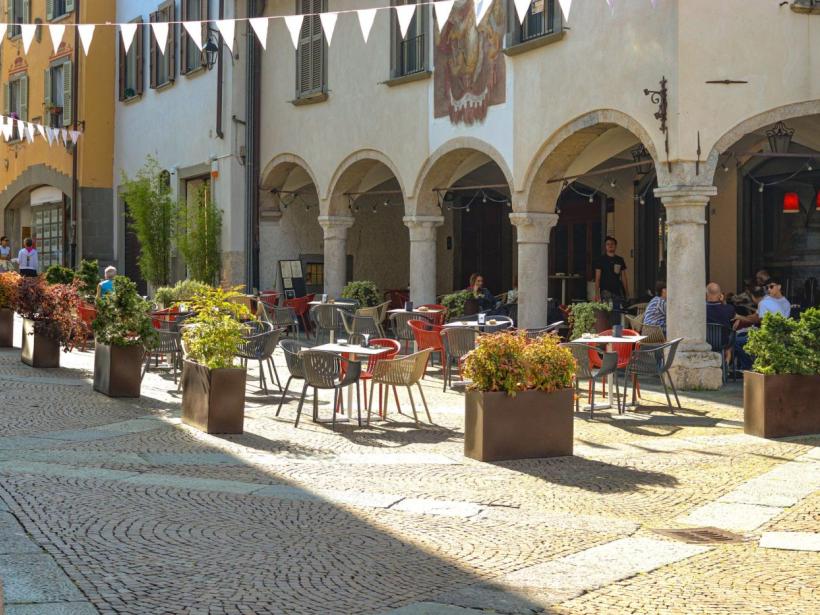
What exactly is riposo and when does it happen
Riposo is the Italian midday break, a protected rest period when much of daily life pauses. The word translates as "rest" or "repose", and while tourists often call it a siesta, the Italian version is less about sleeping and more about stepping away from work during the hottest hours. Shops pull down their shutters, offices empty and streets in residential neighbourhoods grow noticeably quiet.
The break typically runs from about 1 pm to 4 pm, though the exact window shifts slightly by region and season. In the south and in smaller towns you will find it observed more strictly, with businesses closing right at 1 pm. Northern cities and larger commercial centres sometimes shorten the pause to 1 pm to 3 pm. Italians rarely schedule appointments or errands in that block, treating it as personal time for a proper lunch and a rest out of the sun.
Which businesses close during the afternoon break

Small, family-run shops are the most visible sign of the afternoon closure. Independent boutiques, bookshops, hardware stores and neighbourhood bakeries almost always pull down the shutters. Many pharmacies in smaller towns follow the same rhythm, though a roster system usually keeps one open for emergencies.
Smaller museums, churches and archaeological sites often close for a few hours around midday. If you plan to visit a specific gallery or a historic chapel, check the posted hours the day before. The midday gap is common outside the major state-run museums.
What typically stays open during riposo
- Supermarkets and larger grocery chains in town centres
- Railway stations, airport shops and motorway service areas
- Most cafes, gelaterias and bars that serve food and drinks continuously
- Major national museums and high-traffic landmarks with timed entry
- Pharmacies on the local turno roster, identified by a green cross sign
- Petrol stations and their attached convenience stores
How does riposo affect meal times for visitors
Lunch is the main meal of the day in much of Italy, and the afternoon break dictates when you can eat it. Most kitchens stop taking orders by 2:30 pm and do not reopen until 7 pm or later. If you arrive at a trattoria at 3 pm expecting a full meal, you will usually find the door locked or the staff clearing tables.
Sit-down restaurants that serve lunch typically open from about 12:30 pm to 2:30 pm. After that, your options narrow to a bar for a panino, a slice of pizza al taglio, or a gelato. These casual spots often stay open through the afternoon, so you will not go hungry, but a proper multi-course lunch requires timing.
Dinner starts late by Australian standards. Most kitchens reopen at 7 pm, and locals rarely sit down before 8 pm. Plan a substantial lunch before the kitchens close, keep a snack handy for the gap, and book an evening table for 8 pm or later to eat among locals.
How to plan a sightseeing day around the break

Most outdoor landmarks, church interiors and large state museums stay open through the early afternoon, so the quietest stretch of the day works well for them. Churches often close to visitors only during mass, and major museums in cities like Florence and Rome run continuous hours without a midday shutdown. Walking through a piazza or sitting in a public garden also fits the rhythm of the riposo, because no one expects you to rush.
Split the day into three blocks and match activities to what is actually available:
- Morning until about 12:30: browse shops, visit food markets and run any errand that relies on a specific store being open.
- Early afternoon, roughly 12:30 to 3:30: see churches, archaeological sites, public parks and large museums that do not close for the break.
- Late afternoon from about 4:00: return to smaller boutiques and neighbourhood shops as they reopen, then settle into a bar for aperitivo.
- Plan lunch as the anchor of the midday pause, rather than a quick stop between sights. A sit-down meal takes at least an hour and aligns with the local rhythm instead of fighting it.
- Use the quiet hours for a long walk between neighbourhoods or a bus ride to a hilltop town, when streets are empty and the light is strong.
- Check museum websites the night before. Some smaller civic museums still close for riposo, and their hours can shift with the season.
Does riposo still apply in big cities and tourist hubs

The afternoon pause is far less rigid in Milan, Rome and Florence than in a Tuscan hill village. Chain supermarkets, department stores and international fashion boutiques along the main shopping streets rarely close. You will find a pharmacy, a large bookshop or a museum ticket office open straight through the day in most city centres.
Smaller independent businesses do shut, even in Rome. A family run alimentari, a neighbourhood hardware shop or a tailor will still pull down the shutter between roughly 1 pm and 4 pm. The rhythm softens rather than disappears. In Venice and central Florence the break is more noticeable, while Naples tends to hum through the afternoon without a full stop.
Major tourist attractions such as the Colosseum, the Uffizi and St Mark's Basilica operate on a continuous timetable. The quiet gap you feel is in the side streets, not at the big ticket sites. Treat city riposo as a scattered habit, not a blanket rule, and check the opening hours of a smaller shop before crossing town for it.
What a local guide says about respecting the quiet hours
Riposo is not a tourist inconvenience but a daily rhythm that families have kept for generations, as local guides in towns like Lucca and Lecce often remind visitors. The quiet hours are treated as a shared community pause, and a little awareness goes a long way. As one guide in Puglia put it, you are walking through someone’s living room when you cross a drowsy piazza at 2 pm, so move gently and keep your voice low.
Small gestures of patience help you blend in and avoid weary looks from resting residents. Here are practical tips for travelling well during the break.
- Keep conversation volume down when walking through residential streets, especially between 1 pm and 4 pm.
- Avoid phone calls on speaker or loud video playback in small piazzas where sound carries easily.
- If you enter a bar or shop that has just reopened, greet the staff first and allow a moment before placing an order.
- Do not knock on a closed door or peer through shutters; a locked door at 2 pm is a clear signal the business is closed.
- When driving through a village during riposo, switch off the car radio if the windows are open.
- Wait until after 4.30 pm to ring a host or accommodation owner unless it is an urgent matter.
Frequently asked questions
Is riposo the same as a Spanish siesta
Not exactly. In Italy riposo is less about sleeping and more about going home for a proper lunch and rest. The streets in smaller towns genuinely empty out, and the pause is protected by local custom rather than law.
Can I still find food between 3 pm and 7 pm
In larger cities and tourist areas you will find cafes, bars and some bakeries open for snacks and coffee. In small villages your options may be limited to a vending machine or a bar that serves panini, so it is wise to buy water and a snack beforehand.
Do public transport and trains stop during riposo
Trains and local buses keep running, but ticket offices at smaller stations may close. It is best to buy tickets online or from a tabaccheria in the morning to avoid being stuck without a valid fare.
Should I avoid walking around during the quiet hours
Walking is fine and can be a lovely time to explore without crowds. Just keep your voice down in residential streets, as the silence is taken seriously, and avoid ringing doorbells or making phone calls on speaker.
Photo: Lorenza Magnaghi, Pexels (Pexels License)