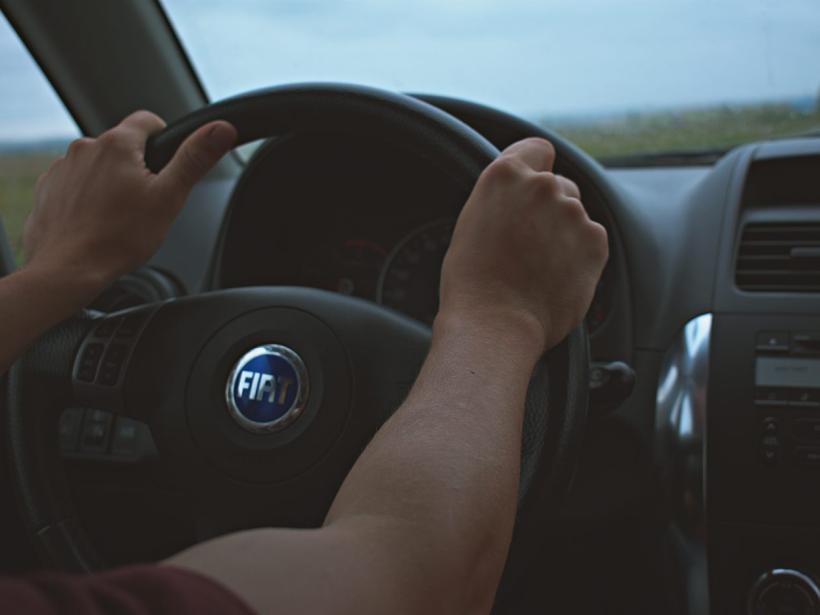
Is driving in Italy safe for tourists?
Yes, driving in Italy is safe for visitors, provided you stay alert and learn the local rules before you collect the keys. Italy's motorways are generally well maintained, and serious crashes involving tourists usually trace back to fatigue, unfamiliar signs or a wrong turn into a restricted zone, not to crime or poor road surfaces.
Most trouble starts in city centres, where narrow one-way streets, limited traffic zones and scooter traffic demand full attention. Plan the route before you set off, drive defensively and treat every painted line as meaningful.
- Take a break at least every two hours on long runs.
- Keep right on the autostrada and overtake on the left.
- Read parking signs twice before you leave the car.
- Expect scooters to filter past you at traffic lights.
What road rules catch foreign drivers out?

Italy drives on the right, and several rules differ enough from Australian practice to catch visitors out in the first hour. Speed limits are 130 km/h on motorways, 110 km/h on main rural roads, 90 km/h on secondary rural roads and 50 km/h in towns. Outside built-up areas you must run dipped headlights day and night, and a hire car usually does this automatically.
At unmarked junctions you give way to the right, so a car emerging from a side street has priority unless signs say otherwise. Using a handheld phone is illegal, and the blood alcohol limit is 0,5 g/L, lower for drivers under 21 and those in their first three years of holding a licence.
- Carry your licence, passport, hire agreement and insurance papers at all times.
- Keep dipped headlights on outside towns, even in sunshine.
- Give way to traffic from the right at junctions without signs or markings.
- Do not touch a handheld phone while the engine is running.
- Stay under 0,5 g/L, which is roughly one standard drink.
How do Italian motorway tolls work?
You take a ticket when you join the autostrada and pay when you leave it, so the charge depends on the distance you actually drive. The ticket goes into the slot at the barrier, and you keep it until the exit booth.
Look at the sign above each lane before you commit. Black or yellow Telepass signs mark lanes for the electronic tag, and a hire car without one should not use them. White signs with coins and notes take cash, and cards are accepted in lanes showing the circular card symbols.
- Keep the ticket within reach so you need not unbuckle.
- Choose a lane with a person or a card reader if you are unsure.
- Join the queue early rather than cutting across at the last moment.
- Estimate the cost of a route on a route planner, since the rate per kilometre varies by motorway.
What is a ZTL and how do I avoid a fine?

A ZTL (zona a traffico limitato) is a limited traffic zone where cameras log every vehicle that crosses the boundary without a permit. Historic centres in Florence, Rome, Siena and Pisa run them daily, often from early morning until late evening, and some operate around the clock.
The warning is a white sign with a red circle and the letters ZTL, usually beside a camera on a pole. Cameras sit at each entrance, so turning back after a wrong turn still counts. Leave the hire car in a car park outside the walls and walk in, or ask your accommodation whether it registers guests' plates. Fines arrive at the hire company months later, which then bills your card along with an admin fee.
- Read the ZTL sign before entering a gate or archway in an old town.
- Park in signed car parks outside the boundary and continue on foot.
- Ask your hotel in writing whether it registers plates for guests.
- Keep the rental agreement handy to check the admin fee terms.
Which habits keep a hire car trip calm?
Calm driving in Italy comes from small routines rather than luck. A local instructor would tell you to build the trip around rest stops rather than around distance: motorway service areas (aree di servizio) appear every 30-50 km on most routes, and a 15-minute break every two hours keeps attention sharp on long runs south.
Keep right on the motorway unless you are overtaking. The left lane belongs to faster traffic, and a car sitting there at 110 km/h when the limit is 130 km/h draws flashing headlights and close following. On roundabouts, give way to traffic already circulating and signal on exit, not on entry.
Never stop in a bay marked with yellow lines. Those spaces belong to buses, taxis, deliveries and residents with permits, and a short stop for a photo or a coffee can end in a fine. These habits keep the day steady:
- Plan rest stops before you set off and mark service areas on the map.
- Stay in the right lane and overtake only when you need to.
- Give way on roundabouts and signal when leaving them.
- Read bay markings before you park and avoid yellow lines entirely.
- Leave the car outside historic centres and walk the last kilometre.
- Keep a bottle of water and a paper map in the car for dead phone batteries.
When is the worst time to drive in Italy?

Mid-August is the hardest week of the Italian driving year. Around Ferragosto on 15 August, cities empty and the motorways toward the coast and the mountains fill with slow, stop-start queues, especially on the A1 between Milan and Naples and on the Ligurian coast roads. Leave before dawn or travel on a weekday if your dates fall in this window.
Winter changes the risk more than the volume. Mountain passes in the Alps and Apennines can close after heavy snow, and chains or winter tyres are required on signed sections. Check the pass status before you commit to a high route and keep a flexible plan.
Late September to October and April to early June bring lighter traffic, open roads and mild weather. May and June are the sweet spot for hill towns and rural lanes.
- Avoid the last weekend of July and the first two weekends of August, when the exodus peaks.
- Drive on a Tuesday or Wednesday rather than a Friday or Sunday.
- Start before 7am on long motorway legs to clear cities before congestion builds.
- In winter, check pass conditions the morning you travel and carry chains where signed.
- Book autumn or late spring for quiet country roads and easier parking.
Do I need an international permit and extra insurance?
An Australian driver's licence is accepted in Italy for short visits, so you can hire and drive on it alone. That licence must be in English or accompanied by a translation. An International Driving Permit is not required for a normal tourist stay, but it helps when a rental desk clerk or a police officer cannot read the card, so carry one if your licence is not in English or you plan a long trip.
Collision damage waiver is included but leaves you liable for an excess, often around 1,000-2,500 AUD depending on the car group and the hire company. Extra cover reduces or removes that excess but usually excludes tyres, glass and the roof, so read the exclusions before you decline it.
- Photograph every panel, wheel and the fuel gauge before you leave the lot.
- Film a slow walk around the car and keep the timestamp.
- Check the excess figure and the exclusions on your contract.
- Keep the rental agreement and the licence in the car, not the boot.
- Note the fuel policy and return the car at the agreed level.
Frequently asked questions
Can I drive in Italy on an Australian licence?
Yes. An Australian licence is accepted for ordinary visits, and you should carry it with your passport. Some hire companies ask for an International Driving Permit as well, so check with yours before you book.
Are Italian motorways difficult to drive?
No. The autostrada network is fast and well signposted, and the main challenge is keeping right and planning toll stops. City driving is the harder part, which is why many visitors park outside the walls and walk.
What happens if I drive into a ZTL by mistake?
Cameras record the plate and the fine arrives later, often through the hire company with an admin fee added. There is usually no way to pay on the spot, so read the signs at every entrance to a historic centre.
Is it safe to drive in rural Italy at night?
Yes, with care. Rural roads are often unlit and narrow, and wildlife and tractors appear without warning, so reduce speed and watch the verge. Plan to arrive before dark when you can.
Photo: Diana ✨, Pexels (Pexels License)