Where should I start outside Kyiv?
Start with Podillia if you have three or four days. The region sits west and south-west of Kyiv, and the trains and roads link Kamianets-Podilskyi, Khotyn and Chernivtsi in one rough loop, so you spend your time in places, not on trains.
The Carpathians suit a longer trip. Ivano-Frankivsk works as a gateway to Yaremche, the mountain villages and the walking trails around the Chornohora range, and you need at least a week to move between them without rushing.
- Podillia rewards a short trip: compact towns, frequent buses and the Dniester canyon close by.
- The Carpathians need a week or more, and a car helps once you leave the main rail line.
- Both regions have guesthouses and small hotels, so you can book as you go outside peak season.
- Overnight trains from Kyiv save a night of accommodation and put you in the region by morning.
Which small towns are worth a stop?

Four towns are worth a short detour: Kamianets-Podilskyi, Chernivtsi, Uman and Halych. Each one is worth more than a photo stop.
Kamianets-Podilskyi needs a full day, because the fortress, the old town and the Smotrych river canyon are all within walking distance of each other. Chernivtsi works well as an overnight stop, with the university complex and the Austrian-era streets taking half a day. Uman suits a half day, and Halych, near Ivano-Frankivsk, suits anyone who wants a quiet afternoon.
- Kamianets-Podilskyi: the castle, the old town and the canyon, one full day.
- Chernivtsi: the university, the pedestrian centre and the coffee houses, one night.
- Uman: the landscape park and the old Jewish quarter, three to four hours.
- Halych: the castle hill and the old church, a half day by bus from Ivano-Frankivsk.
- Kolomyia: the museum of the Hutsul region, a two-hour stop between Lviv and Chernivtsi.
Buses and shared minibuses reach all four towns from the nearest regional centre.
What are the best lesser-known nature spots?
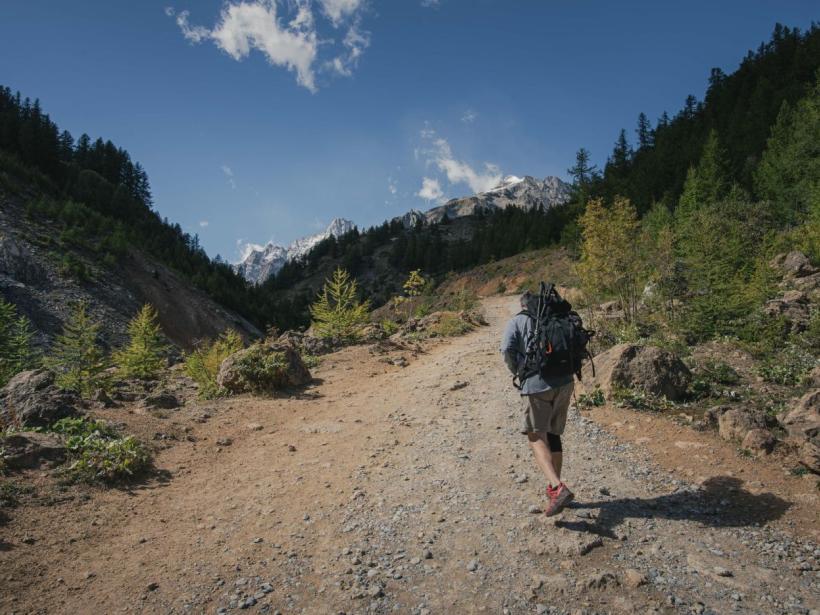
For quiet nature, look past the popular routes to the Carpathian foothills, the Dniester canyon and the steppe reserves. The foothills around Kosiv and Yaremche give forest walks and village guesthouses without the crowds of the high passes, and the walking season runs from May to October.
The Dniester canyon, upstream of Zalishchyky, is best seen on a two or three day kayak trip with a local outfitter. The Oleshky sands are a semi-desert of pine and open sand, reachable by bus from Kherson when the roads are open and safe. Askania-Nova protects a fenced steppe reserve, and visits run on guided tours rather than solo walks.
- Check the current security situation before booking any trip in the south or east.
- Hire a local guide for the canyon and steppe reserves, as marked trails are limited.
- Carry cash, water and a paper map, as mobile coverage drops in the valleys.
- Spring and early autumn give the most comfortable walking temperatures.
How do I get around without a car?

Ukraine's train network reaches most regional centres, and buses fill the gaps to smaller towns. Book trains through Ukrzaliznytsia's app or website, ideally 7-14 days ahead for overnight services and popular weekend routes. Bus tickets are usually sold at the station or through local carriers, and some regional operators accept booking by phone a day or two in advance.
Allow 6-10 hours for long intercity rail trips and 2-4 hours for regional bus legs, with extra time on rural roads. A car or local guide is worth it for scattered nature spots, village trailheads and sites off the main bus lines, where services run once or twice a day.
- Check onward connections the same day, as evening buses to villages are rare.
- Keep small cash for rural bus fares and station lockers.
- Confirm departure points in writing, since some towns have several stops.
- Book a local guide for trailheads and remote heritage sites.
When is the best time to visit each region?
The southern steppe is at its best in spring. By late April the ground is dry enough for long walks, and the heat has not arrived yet. Summer belongs to the Carpathians, where mountain trails usually open by June and stay walkable through September. Autumn is the season for Podillia, with mild days and quiet roads after the harvest.
Winter suits city breaks rather than long hikes. Daylight is short, some rural guesthouses close, and mountain roads can be slow after snow. Check opening hours before you travel, since small museums often run reduced schedules outside summer.
- March to May: the steppe and southern river valleys, before the heat.
- June to September: the Carpathians, when trails and huts are open.
- September to October: Podillia, for mild weather and fewer visitors.
- December to February: city breaks, with short days and quiet streets.
What local etiquette should I know?

Greet people when you enter a small shop, a waiting room or a village house, and say goodbye when you leave. A plain «добрий день» works at any hour and beats a translated hello. Shake hands with men, nod to women, and take off your hat indoors.
In Orthodox churches, women often cover their hair with a scarf and everyone covers shoulders and knees. Shorts and vests read as disrespectful at memorial sites, so carry a light layer even in July. Tipping is around 10 per cent in restaurants and cafés, left in cash on the bill.
- Ask before photographing people, homes or village graves.
- Speak Ukrainian in the west, and switch to it if someone answers you in Ukrainian.
- Keep voices low at memorials and do not pose smiling for photos beside them.
- Bring a small gift, such as sweets or coffee, when invited into a village home.
What should I check before travelling?
Check your government's current travel advisory for Ukraine before booking anything, and read it again in the week you leave. The Australian Department of Foreign Affairs and Trade and the UK Foreign, Commonwealth and Development Office both publish country advice and update it when conditions change. Air-raid alerts are a normal part of daily life, so download a local alert app and note the location of the nearest shelter wherever you stay.
Book accommodation directly with small guesthouses and homestays a few weeks ahead. Rooms in towns such as Kamianets-Podilskyi or Kolomyia are limited in summer, and a phone call confirms the booking better than an online form. Arrange travel insurance early and read the fine print: many standard policies exclude areas under active conflict, so ask the insurer in writing which regions are covered before you pay.
- Save digital and paper copies of your passport and policy.
- Tell your guesthouse your arrival time and transport details.
- Keep some cash in hryvnia, as small-town card machines can fail.
- Learn a few Ukrainian phrases for greetings and thanks.
Frequently asked questions
Is it easy to travel around Ukraine without speaking Ukrainian?
Yes. In most tourist areas you can manage with English, especially among younger people and in hotels. In villages and smaller towns, a translation app and a few basic Ukrainian phrases go a long way.
How many days do I need outside Kyiv?
A week is enough to cover one region properly, such as the Carpathians or Podillia. Two weeks gives you room to combine a city, a nature spot and a small-town stay without rushing.
Do I need a car to reach the quieter places?
Trains and buses reach most regional centres, but the smallest nature spots often need a car, a taxi from the nearest town or a local guide. Renting a car is the most flexible option if you plan to move between villages.
Are the smaller sites open all year?
Many museums and parks keep shorter hours outside summer and some close on Mondays. Check ahead by phone or online, and plan around daylight hours in winter.
Photo: paolo tognoni, Pexels (Pexels License)