

Why Visit Florence?
Florence is the birthplace of the Renaissance, and it shows — a compact city centre packed with more art and architecture per block than almost anywhere else in Italy. Unlike Rome or Venice, most of it is genuinely walkable, which makes it easier to see a lot without spending most of your day in transit.
What to Actually Do There
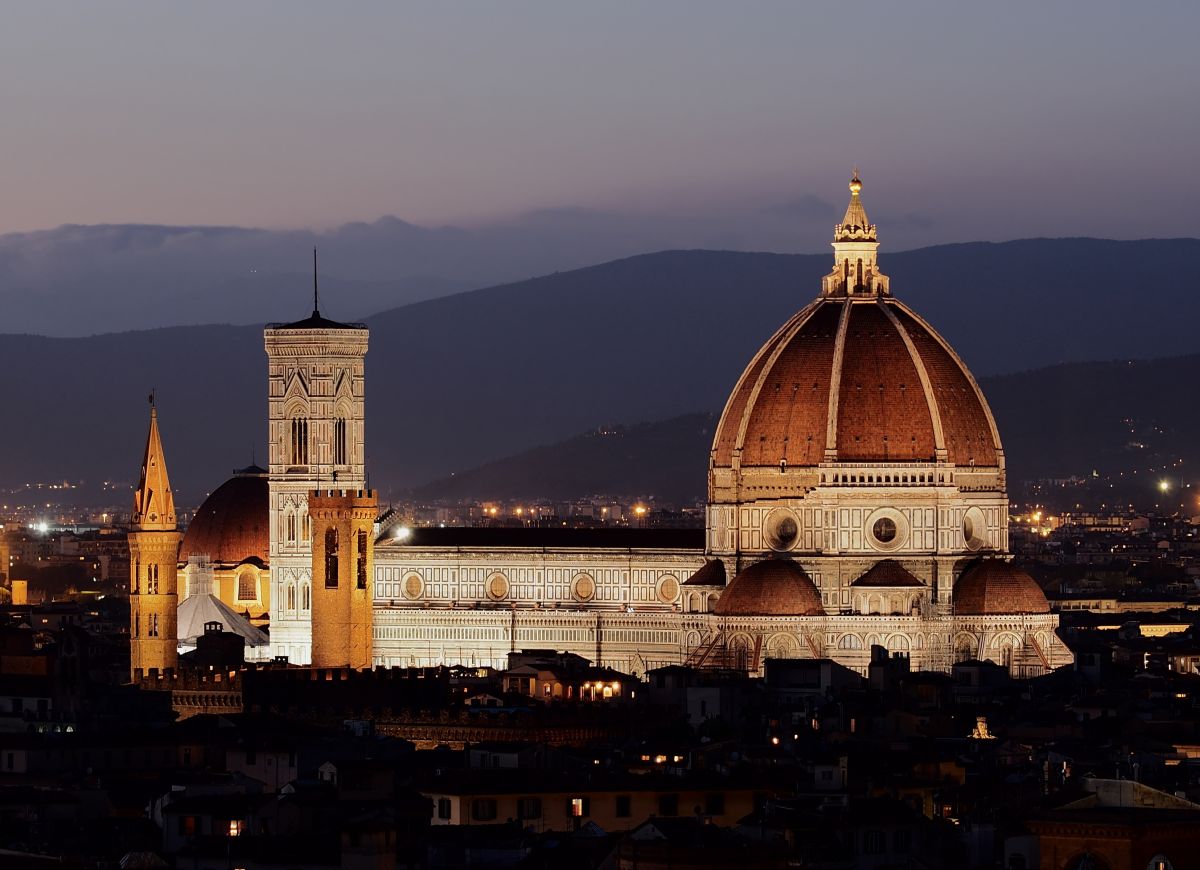
The Duomo
Florence's cathedral dome dominates the skyline and is climbable for a panoramic view over the city's terracotta rooftops — book ahead, since same-day tickets often sell out in peak season.
The Uffizi Gallery
One of the world's great art museums, holding Renaissance works by Botticelli, Michelangelo, and da Vinci among others. Pre-booking a timed entry is worth doing rather than queuing on the day, particularly in summer.
Ponte Vecchio
Florence's medieval bridge, lined with jewelry shops, is one of the few bridges in Europe to have survived largely unchanged since the Middle Ages — worth crossing at both a busy hour and a quieter one for two different experiences.
How Long to Allow
Two to three days covers the main sights without rushing, though a single full day can work for a focused visit if Florence is part of a longer Italy itinerary.
Florence at a Glance
| Detail | Info |
|---|---|
| Main draw | Renaissance art and architecture |
| Key sight | The Duomo & Uffizi Gallery |
| Time needed | 2–3 days |
| Best known for | Walkable historic centre |
Frequently Asked Questions
How many days do you need in Florence?
Two to three days covers the main sights comfortably, though even a single focused day can work if Florence is one stop on a longer Italy trip.
Do you need to book the Uffizi Gallery in advance?
Pre-booking a timed entry is strongly worth doing, especially in summer, since same-day queues can be long.
Is Florence walkable?
Yes — unlike Rome, most of Florence's major sights sit within a compact, genuinely walkable historic centre.