


Why Visit Lviv?
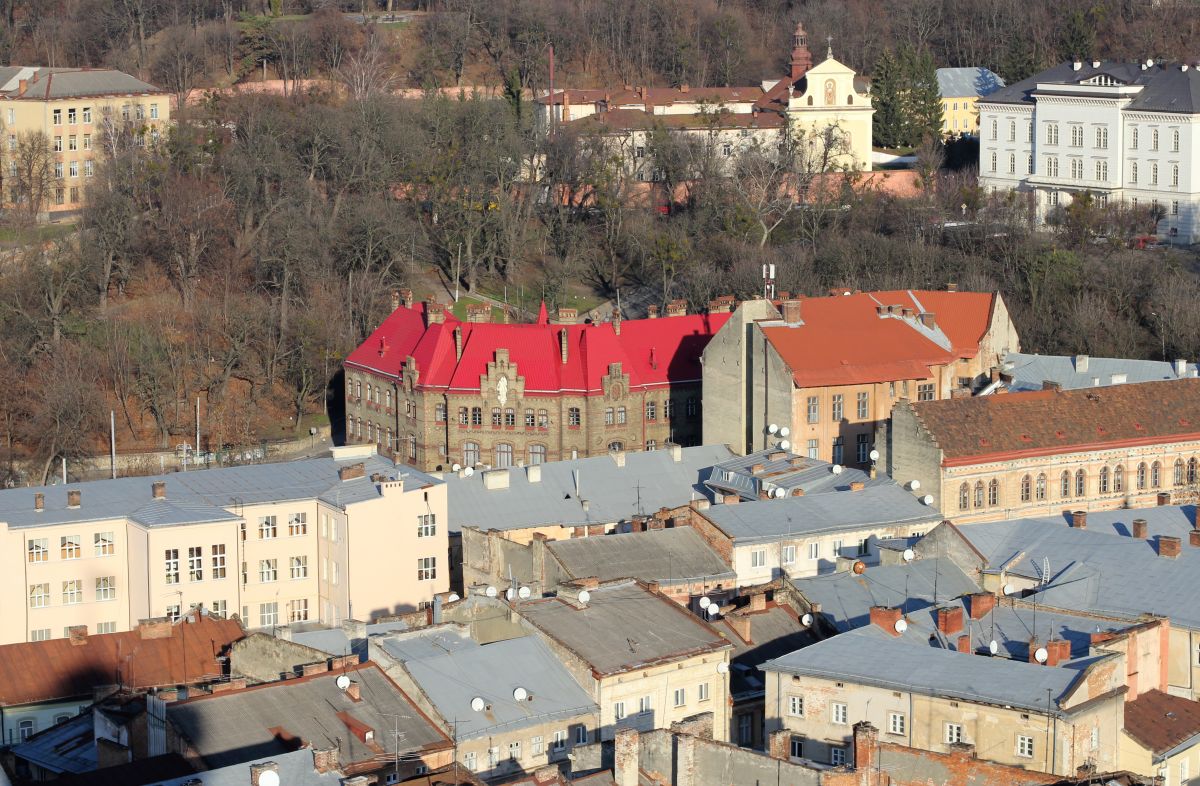
Lviv is Ukraine's cultural capital in the west of the country, close to the Polish border and built around a UNESCO-listed old town of cobblestone streets, coffeehouses, and Austro-Hungarian architecture that survived largely intact. It's a common entry point for travelers arriving overland from Poland, and increasingly a destination in its own right.
What to Actually Do There
The Old Town
Lviv's historic centre is compact and genuinely walkable, with Rynok Square at its heart surrounded by merchant houses, churches, and the city's dense coffeehouse culture — a legacy of its Austro-Hungarian past that locals still take seriously.
Lychakiv Cemetery
One of Europe's most striking historic cemeteries, with elaborate 19th and 20th-century monuments spread across a hillside — more a sculpture park and history lesson than a typical graveyard visit.
Coffee Culture
Lviv takes its coffeehouses seriously, with a scene shaped by the city's long Austro-Hungarian history. Sitting in one for an hour is as much a part of visiting as any single sight.
Getting There and Practicalities
Overland routes from Poland are common, and Lviv's position in western Ukraine has kept it relatively more accessible than destinations further east. As with any travel to Ukraine, check current official government travel advisories before planning a trip, since conditions can change.
Lviv at a Glance
| Detail | Info |
|---|---|
| Main draw | UNESCO old town, coffeehouse culture |
| Access | Common overland entry point from Poland |
| Key sight | Lychakiv Cemetery |
| Best known for | Austro-Hungarian architecture |
Frequently Asked Questions
Is it safe to travel to Ukraine right now?
Check current official government travel advisories before planning any trip to Ukraine, since the situation can change and varies significantly by region.
How do you get to Lviv?
Overland routes from Poland are a common way to reach Lviv, given its location in western Ukraine near the border.
What is Lviv known for?
Lviv is known for its UNESCO-listed old town, Austro-Hungarian architecture, and a coffeehouse culture that's central to daily life in the city.