
What wildlife risks should I actually worry about?
Most Australian wildlife is harmless on a typical holiday. You are far more likely to spot a kangaroo from a tour bus than to have a close encounter with anything venomous. Shy animals that could be dangerous almost always retreat if you give them space.
In the Northern Rivers region around Nimbin, the main precautions are simple. Stick to clear paths when walking, wear closed shoes at dusk and never reach into hollow logs or under rocks where snakes or spiders may shelter. Crocodiles are not found this far south, so inland waterways are safe for a paddle. At coastal beaches north and south of Byron Bay, always check for stinger warnings between November and May and swim between the flags.
- Watch your step on bush tracks and avoid long grass where snakes may rest during warm weather.
- Shake out shoes and clothing left outside overnight before putting them on, as spiders sometimes crawl inside.
- Swim only at patrolled beaches and obey all signs about marine stingers, especially box jellyfish and irukandji during the warmer months.
- Never feed or approach wild dingoes on Fraser Island or anywhere else, and keep food stored securely at campsites.
- Drive carefully at dawn and dusk on rural roads when kangaroos and wallabies are most active and hard to see.
- If you see a snake, stand still or back away slowly. Most bites happen when people try to catch or kill the animal.
How do I stay safe at Australian beaches?

Always swim between the red and yellow flags at patrolled beaches. Lifeguards and surf lifesavers place these flags in the safest spot each day, away from rips and dangerous currents. If you cannot see flags, the beach is not patrolled and you should not enter the water.
A rip is a strong current that pulls you away from shore. If you get caught, do not fight it. Float on your back, raise one arm and call for help. Most rescues happen because swimmers exhaust themselves trying to swim directly back to the beach against the current.
Sunburn ruins a holiday fast. Apply SPF 50 sunscreen 20 minutes before going outside and reapply every two hours, or after swimming. Wear a wide brim hat, sunglasses and a rash vest during the middle of the day when UV levels peak.
In tropical waters north of Agnes Water in Queensland, and across the Top End, marine stingers are present from November to May. Swim inside stinger nets where provided and wear a full body stinger suit. Box jellyfish and Irukandji stings can be life threatening and require immediate medical attention.
What weather hazards should first time visitors prepare for?
Heat is the most underestimated risk, especially if you arrive during the Australian summer from November to March. Inland towns and the outback regularly record temperatures above 40 degrees, and even coastal cities like Brisbane can feel oppressive when humidity climbs. Carry a full water bottle everywhere, wear a broad brim hat and reapply SPF50 sunscreen every two hours. Plan outdoor walks for early morning and avoid exposed trails between 11 am and 3 pm on days the Bureau of Meteorology issues a heatwave warning.
Bushfires are a fact of life in the drier months, roughly October through April across the south. Stay informed. Download the free Hazards Near Me app (NSW) or the state equivalent for wherever you are travelling. If you see a Fire Danger Rating sign by the road showing Catastrophic or Extreme, leave the area early. Don't wait for an official evacuation order. The same app will alert you to flash flooding, which can turn a dry creek crossing into a torrent within minutes during a summer thunderstorm.
If your trip takes you to northern Queensland, the Northern Territory or the top of Western Australia between November and April, you are travelling in cyclone season. Cyclones bring destructive winds and storm surges that close roads and airports for days. Check the Bureau of Meteorology website daily. A cyclone watch means you have 48 hours before gales begin, which is your window to move inland or follow local shelter advice.
Is it safe to walk around Australian cities at night?

Australian cities are generally safe at night in well-lit, busy areas, but not everywhere. Stick to main streets and entertainment precincts where people are still about. Avoid cutting through parks, underpasses or deserted train station walkways after dark. Local knowledge matters, so ask your accommodation host which pockets to skip.
Public transport at night varies. Most train stations in Sydney and Melbourne have staffed safety zones with good lighting and emergency help points until the last service. Buses can feel more isolated, especially at suburban stops. A taxi or rideshare is a practical choice for door to door travel after 11 pm, and splitting the fare keeps the cost modest.
Standard precautions go a long way. Walk with purpose, keep your phone out of sight when not using it and trust your gut if a street feels wrong. Drunken behaviour is more of a nuisance than a genuine threat in most nightlife districts, but it is wise to give aggressive groups a wide berth. Regional city centres quieten down earlier, so a short walk back to your hotel at 9 pm in Coffs Harbour feels very different from a stroll through Melbourne’s CBD at midnight.
What common scams or tourist traps should I avoid?

Outright scams targeting visitors are rare in Australia, but a few well-known tourist traps pop up in busy city centres and holiday spots. Staying alert around major attractions and transport hubs keeps you out of trouble.
The most common nuisance in Sydney and Melbourne is the fake charity collector, often carrying a clipboard and asking for donations to a cause that does not exist. A polite “no thanks” and walking on is all you need. Legitimate charities rarely approach people on the street in this way.
- Ignore unsolicited offers of free gifts, scratch cards or prize draws on city streets. They are usually the start of a high pressure timeshare or holiday club pitch.
- Book tours directly with operators who display an accreditation logo, such as the Australian Tourism Export Council tick. Unlicensed operators sometimes sell seats outside major ferry terminals and train stations.
- Ask for the estimated fare before getting into a taxi outside an airport or a big event, or use a rideshare app where the price is fixed upfront.
- Be wary of anyone offering to take your photo with a prop, such as a costumed character or a tame bird, then demanding a large payment afterwards.
- Check the menu prices carefully at restaurants in heavily touristed precincts. A few places add a Sunday or public holiday surcharge that is not always obvious until the bill arrives.
How do I get help in an emergency?
Dial 000 from any phone for immediate police, fire or ambulance assistance anywhere in Australia. The call is free. A trained operator will ask which service you need and your exact location. If you can't speak, stay on the line and follow the operator’s instructions. The national relay service on 106 is available for people with hearing or speech impairment using a TTY device.
Download the Emergency Plus app before you travel. It displays your GPS coordinates and street address on the phone screen so you can read them aloud to the operator, even in remote spots with no obvious landmarks. For non-urgent police matters, such as a stolen bag or a minor car break-in, call the Police Assistance Line on 131 444 instead of 000. This keeps the emergency lines clear for life-threatening situations.
Frequently asked questions
Do I need to worry about snakes and spiders in my hotel room?
Hotel rooms and city accommodation rarely have snakes or dangerous spiders. In rural areas, shake out shoes left outside and check bedding in open-air lodges. A torch is useful at night.
Is tap water safe to drink across Australia?
Yes, tap water is safe to drink in all Australian cities and most regional towns. In very remote areas, check with locals or your accommodation. Carry extra water when hiking or driving long distances.
What should I do if I see a shark while swimming?
Stay calm, keep the shark in sight and move smoothly toward the shore without splashing. Shark encounters are rare, especially when you swim between the flags at patrolled beaches during daylight hours.
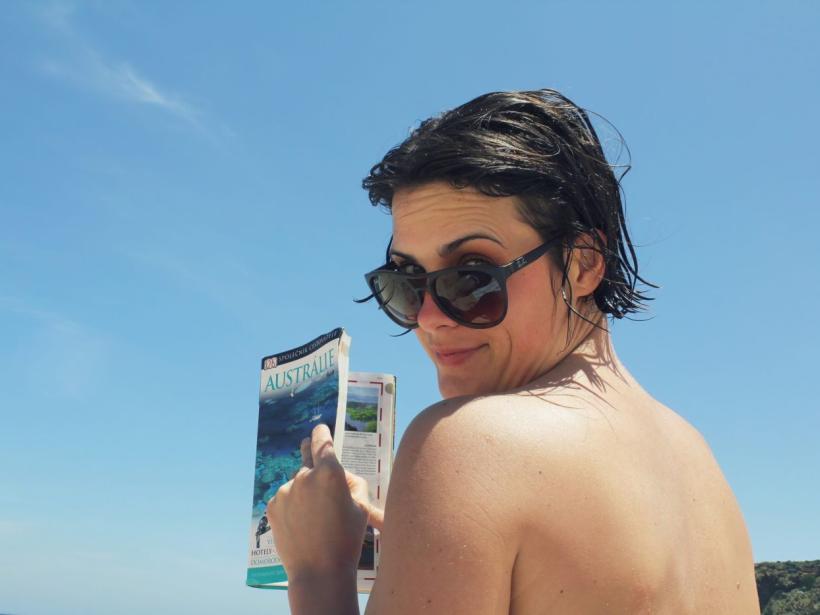
Photo: Manuel Campagnoli, Pexels (Pexels License)