
How safe is Australia compared to other countries?
Australia consistently ranks among the safest destinations for travellers, sitting alongside New Zealand, Canada and the United Kingdom in global indexes. The 2024 Global Peace Index places Australia 13th out of 163 countries, with low rates of violent crime and a stable political environment. Tourists are rarely targeted for serious offences and most visits pass without incident.
Petty crime such as bag snatching or opportunistic theft happens in busy city centres and at popular tourist spots, much as it does in London or Vancouver. The Australian Bureau of Statistics reports that assault rates are comparable to those in the UK and lower than in many parts of the United States. Travellers who take the same sensible precautions they would at home, like keeping valuables out of sight and locking car doors, will find the country feels relaxed and welcoming.
What sets Australia apart is the sheer scale of the landscape and the natural hazards that come with it. The risk to tourists is less about crime and more about sun exposure, rips at unpatrolled beaches and getting lost in remote bushland. If you are comfortable travelling in Canada or New Zealand, you will find Australia equally safe, with the same need to respect the environment.
What natural hazards should tourists be aware of?

Australia’s wide open landscapes and strong sun mean you need to watch out for a few things that locals handle almost on autopilot. The main hazards for visitors are sun exposure, rips at the beach, bushfires in warmer months and encounters with wildlife. None of these should stop you from travelling, but a little preparation goes a long way.
Sunburn catches many first-time visitors off guard, even on cloudy days. The UV index across much of the country sits in the extreme range for large parts of the year. A wide-brimmed hat, SPF 50+ sunscreen reapplied every two hours and a long-sleeved shirt for the middle of the day are standard advice from surf lifesavers and national park rangers alike.
Bushfire season runs roughly from late spring through to early autumn, with the exact timing shifting by region. On high-risk days national parks may close walking tracks and fire authorities issue total fire bans. Check the local fire service app or website before heading into bushy areas, and never light a campfire when restrictions are in place.
- Apply SPF 50+ sunscreen every two hours and wear a hat with a wide brim.
- Check the daily UV index forecast and limit direct sun exposure in the middle of the day.
- Download the local fire service app and check for total fire bans before heading into national parks.
- Read beach safety signs and learn to identify a rip current before entering the water.
- Carry at least four litres of drinking water per person on any bushwalk longer than an hour.
- Wear sturdy closed shoes and long trousers when walking through long grass or scrub.
Is it safe to swim at Australian beaches?
Australian beaches are safe when you follow one simple rule: always swim between the red and yellow flags. These flags mark the area patrolled by surf lifesavers and lifeguards, who watch the water for rips and other hazards. A rip is a strong current that pulls you away from shore quickly, and trying to swim against it exhausts even fit swimmers. Float, raise your arm and wait for help.
Many visitors underestimate how quickly conditions change. A calm bay can develop a strong shore break or a sudden rip within an hour. Never swim alone, avoid the water at night and stay out if you have been drinking. If you are unsure about the conditions, ask a lifeguard whether the beach is safe that day. They will point out any rips or hidden gutters you should avoid.
On unpatrolled beaches, the risk rises sharply. Remote stretches of coast in the Northern Rivers, like those south of Byron Bay, look inviting but often have no flags and no mobile reception. For a relaxed swim with peace of mind, pick a beach with the red and yellow flags flying and a lifeguard tower nearby.
Are Australian cities safe at night?

Australian cities are generally safe at night, though the same common sense you would apply in any large town goes a long way. Most city centres stay busy with diners and office workers into the evening, particularly around restaurant strips and entertainment precincts. Stick to well-lit main streets rather than cutting through parks or empty back lanes after dark, and you will rarely run into trouble.
Public transport after sunset is reliable and well monitored. Trains and trams have help points and security cameras, and many stations are staffed until late. On a bus, sit near the driver if you are travelling alone and keep your bag on your lap rather than on an empty seat beside you. Rideshare apps are widely used and let you share your trip with a friend, which adds an extra layer of reassurance.
Keeping your valuables safe is mostly about not making yourself an easy target. Leave your passport in the hotel safe and carry only the cash you need for the evening. A crossbody bag worn to the front works better than a backpack in a crowd, and slipping your phone into a zipped pocket stops a quick snatch outside a pub or at a pedestrian crossing. If you hire a car, never leave bags, jackets or loose change visible on the seats, even for a short stop.
What about spiders, snakes and sharks?

Encounters with dangerous wildlife are rare for tourists who stick to marked paths and patrolled beaches. Fatalities from spiders and snakes have been virtually eliminated by widely available antivenom, with the last recorded spider bite death occurring in 1979. Sharks do inhabit coastal waters but attacks remain uncommon, averaging about 20 incidents nationwide each year and only one or two fatalities.
Common sense reduces the already tiny risk. Tap your shoes out before putting them on if you have left them outside, avoid reaching into garden nooks you cannot see, and stick to formed walking tracks rather than wading through long grass. Snakes generally flee when they feel footsteps approaching, so heavy footfalls on a bush track give them plenty of warning.
At the beach, swim between the red and yellow flags where lifesavers keep watch. Avoid swimming at dawn, dusk or in murky water, and steer clear of river mouths after rain. Most shark encounters happen to surfers and spearfishers well offshore, not to casual swimmers in waist-deep water.
How do I stay safe while driving in remote areas?
Driving in the Australian outback or through remote stretches of the Northern Rivers hinterland demands preparation. Mobile phone reception disappears quickly once you leave the main towns, and services can be hundreds of kilometres apart. A simple breakdown becomes serious if you are not carrying the basics.
Tell a friend or your accommodation host your planned route and expected arrival time, and check in with them when you get there. Before you leave, look up road conditions on the local council website or the Live Traffic NSW app. Unsealed roads can become impassable after rain, even in a four-wheel drive.
- Plan your fuel stops in advance and refill whenever the tank drops below half, because the next servo might be closed or out of fuel.
- Carry at least ten litres of drinking water per person per day, plus extra in case you are stuck overnight.
- Pack a physical map or download offline maps on your phone, as GPS signal can cut out in valleys and dense forest.
- Stay with your vehicle if you break down. A car is easier to spot from the air than a person on foot, and it provides shade.
- Take a basic emergency kit with a first aid box, a torch, spare batteries and snacks that will not melt in the heat.
- Let someone reliable know your route and check in with them at the end of the day, especially on unsealed back roads.
Frequently asked questions
Do I need travel insurance for Australia?
Yes. Medical care for visitors is not covered by Medicare and hospital costs can be high. A comprehensive policy that includes ambulance, evacuation and outdoor activities is the sensible choice.
Are there any areas tourists should avoid?
There are no no-go zones in major cities, but some suburbs have higher rates of petty crime after dark. Ask your accommodation host for local knowledge and stick to well-lit streets at night.
Is the tap water safe to drink everywhere?
Tap water is safe to drink in all cities and most regional towns. In very remote communities or during flood events, check with locals or look for signs before drinking from the tap.
What is the emergency number in Australia?
Dial 000 for police, fire or ambulance. Calls are free from any phone. If you have limited English, tell the operator your language and they will connect an interpreter.
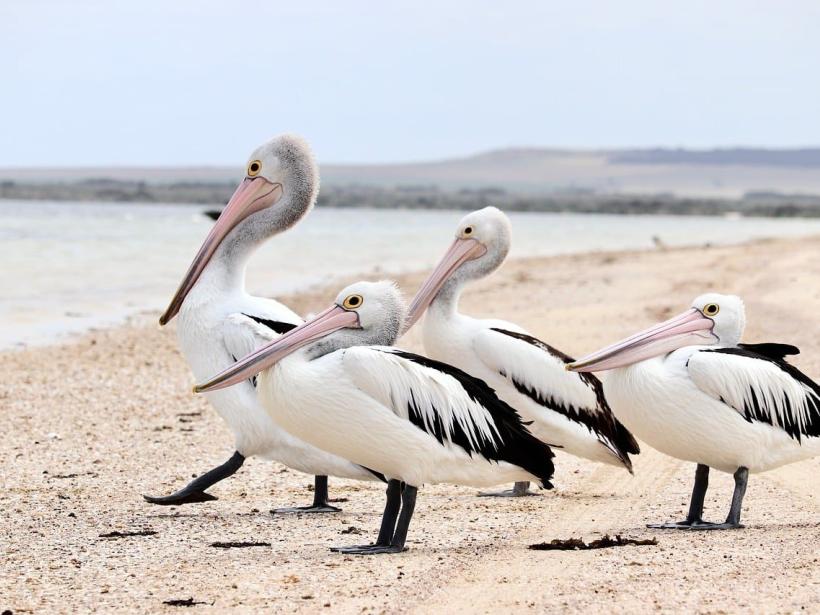
Photo: CarolynShearer, Pixabay (Pixabay Content License)