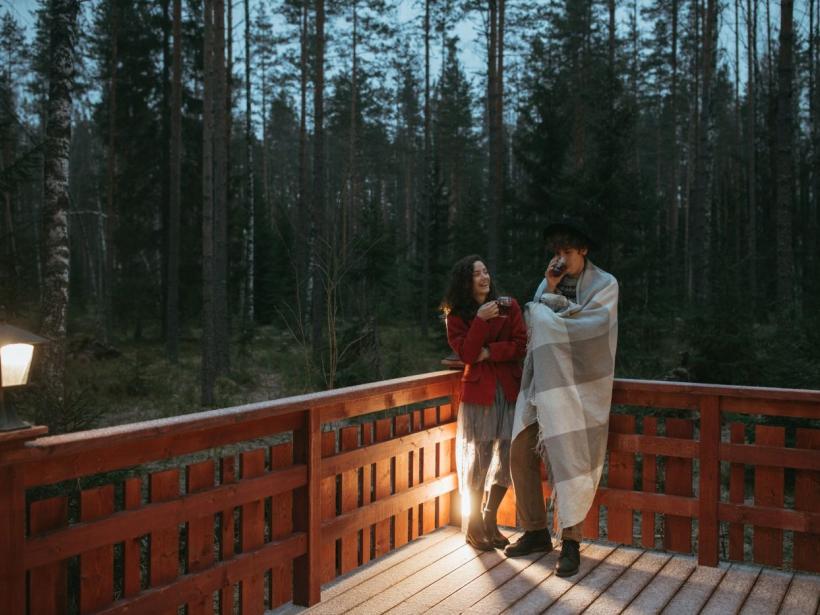
How do you pick a romantic weekend that is not a cliché?
The test is simple: if a town has a walkable centre, water or a ridge within a short drive, and more than a handful of independent places to sleep, it will work for two days. Anything more and you spend the weekend queueing.
Start with the drive. Two to four hours from a city or airport is the sweet spot, because you arrive on Friday evening with energy left and leave Sunday without a dawn start. Longer routes eat the weekend itself.
Then check the bones of the place. A main street you can cross on foot, a river, lake or lookout close by, and small motels, cabins or B&Bs run by locals rather than one big resort. That mix keeps the trip quiet, flexible and genuinely yours.
Which under-the-radar spots are worth the drive?

These five places suit a two-night stay and avoid the crowds of better-known honeymoon towns. Each sits within a few hours of a major airport, so a Friday evening arrival still leaves a full Saturday.
- Asheville, North Carolina: the Blue Ridge Parkway starts at the city edge, and a short drive to Craggy Gardens delivers ridge views without a queue.
- Hood River, Oregon: orchards and the Columbia River Gorge surround the town, and a morning drive up the Fruit Loop ends at farm stands rather than tour buses.
- Galena, Illinois: brick streets and a quiet river bend suit slow walks, and the Galena River Trail is flat enough for a lazy afternoon.
- Marfa, Texas: high desert light draws photographers, and the Chinati Foundation grounds reward a booked morning visit.
- Lanesboro, Minnesota: the Root River valley is built for bicycles, and the paved trail runs straight from town.
Book the one thing that sells out first, then plan the rest of the weekend around it.
What makes a stay feel cosy rather than just expensive?
A cosy stay depends on a few practical features, not the nightly rate. A wood heater or slow combustion fire warms a room in a way air conditioning never does, so put that at the top of your list. A working kitchen matters too, because cooking breakfast together beats queuing for a table. Look for a place within walking distance of at least one decent dinner option, on a quiet road rather than a highway.
Reviews show what photos hide. Search them for the words "noise", "road" and "neighbours", and check whether guests mention blackout curtains or streetlight glare in the bedroom. Recent reviews matter more than older ones, since management and bedding change.
- A real fireplace or wood heater, with firewood included or sold nearby.
- A kitchen with basics, not just a kettle and a bar fridge.
- Dinner or a pub within a short walk for the nights you do not cook.
- A country lane or cul-de-sac, not a busy road out front.
- Reviews that mention quiet nights and dark bedrooms in a good way.
Where do you watch the sunset without a crowd?

West-facing ridges, small lake shores and town waterfronts give you the light without the queue. Look for a west-facing slope with a clear horizon, a public boat ramp on the quiet side of a lake, or a riverside park at the edge of a small town. These spots rarely appear on lists, which is why they stay quiet.
Arrive 40-60 minutes before sunset to park while there is still space and walk in daylight. Check the local council or parks website for gate closing times, since many ridge and lake access roads lock at dusk. Bring a torch or use your phone light for the walk back, and wear shoes with grip for gravel or roots.
- Pick a west-facing ridge with a cleared lookout and a marked trailhead.
- Choose a lake shore with a public ramp rather than a resort jetty.
- Use a small-town waterfront park with benches and parking.
- Park facing out so you can leave without reversing in the dark.
- Carry a torch, a warm layer and water for the walk back.
When should you go, and what should you book first?
Go in shoulder season: late April to early June in the northeast and midwest, September to early November in the southwest, and May or late September almost anywhere coastal. Skip school holiday weeks and the October leaf-peeping rush in Vermont or the Smokies, when rates climb and quiet villages turn to car parks. A midweek start, even just a Thursday night, thins the crowds further.
Book in this order. Secure the accommodation first, because the small inns and cabins worth staying in have only a few rooms and fill months ahead for weekends. Dinner follows, especially anywhere with a single seating or a tasting menu. Timed entry tickets for gardens, hot springs or lighthouse tours come last, once your times are fixed.
What should you pack for a quiet weekend away?

Pack for cool nights even in midsummer. Mountain towns in the US swing from warm afternoons to cold nights, so two thin layers beat one heavy coat, and a rain shell earns its space on any coastal drive.
- Two light layers and a warm mid-layer for evenings.
- Waterproof shoes with grip for wet trails and rocky lookouts.
- A thermos for coffee at sunrise or tea after a cold walk.
- A packable blanket for sunset spots with no seating.
- A paper map for stretches with patchy phone signal.
Keep the bag small enough to carry in one trip from the car. A torch, a spare power bank and a corkscrew cover most cabin evenings.
How do you keep the weekend low-key once you are there?
Plan one main activity per day and leave the rest loose. A short morning walk, a long breakfast, then whatever the town offers. If the anchor is a two-hour hike, book it for the morning so the afternoon stays open for an unplanned wander or a nap.
Small-town etiquette matters here. Greet shopkeepers, keep voices down in cafes, and ask before photographing anyone's property or garden. Many of these towns run on seasonal businesses, so check posted hours rather than expecting city schedules.
- Choose one booked activity per day, nothing more.
- Leave a two-hour window each afternoon with no plans.
- Buy from local shops and markets instead of chains.
- Keep phones off the table at dinner.
- Stick to marked trails and respect private land signs.
Frequently asked questions
Do you need to hire a car for these trips?
Yes, in most cases. The quieter spots sit outside town centres and often have no reliable rideshare, so a car lets you chase a sunset and get back after dark.
How far ahead should you book a weekend stay?
Small inns and cabins often have only a few rooms, so booking several weeks ahead is sensible, and longer for holiday weekends and autumn. Midweek dates open up more choice at short notice.
Is a weekend enough to enjoy a remote spot?
Two nights is the practical minimum. One night leaves you with a long drive, a rushed dinner and no time for a walk, which defeats the purpose of going somewhere quiet.
What if the weather turns?
Plan one indoor option for each day, such as a small museum, a bookshop or a long lunch. A cabin with a kitchen and a fire makes a wet afternoon part of the trip rather than a loss.
Photo: Yaroslav Shuraev, Pexels (Pexels License)