
What part of town works best with kids?
A flat, pedestrian-friendly neighbourhood within a 15-minute walk of one or two key sights almost always beats a central location on a noisy piazza. Italian city centres hum with scooters and nightlife well past midnight, which can wreck a young child's sleep. Look instead at residential streets just outside the historic core, where you get a decent playground, a family-run gelateria and a small supermarket within a few blocks.
Check the walking route from the hotel to the nearest metro or bus stop on Google Street View. Steep cobbled lanes and steps without a ramp are tough work with a pram. A tram or bus line that runs every 10 minutes during the day gives you far more freedom than a "perfect" address that leaves you hauling tired kids uphill after dinner.
Green space matters more than a famous fountain. Search the local council website for public gardens and playgrounds marked with the Italian words area giochi. A hotel near a park means you can start the morning with a swing and a coffee, then tackle the sights after the kids have burned off some energy. Quiet side streets with benches and shade trees also work as improvised rest stops between activities.
Which facilities actually matter for a family?

Glossy photos of a rooftop bar mean nothing when you're lugging a pram up three flights of stairs at midnight. The facilities that genuinely smooth out a family trip are the unglamorous, practical ones you'll use every single day.
Start with the room layout. A separate sleeping area, even a curtained alcove, lets you talk or read after the kids are down. Check that the hotel supplies a proper cot with a firm mattress, not just a fold-up travel bed, and confirm whether it fits in the room without blocking the door.
Beyond the room, a handful of other features make or break a stay with children:
- A shallow pool or a dedicated kids’ pool with a gradual entry lets toddlers splash safely while you stay within arm’s reach.
- A lift is non-negotiable in any hotel above the ground floor, especially in historic buildings where a narrow staircase is the only alternative.
- On-site laundry or a self-service washing machine cuts your packing in half and handles the inevitable gelato stains.
- Blackout curtains or sturdy shutters help children settle at bedtime during long Italian summer evenings.
- A small fridge in the room keeps milk, fruit and snacks cold for early-morning wake-ups.
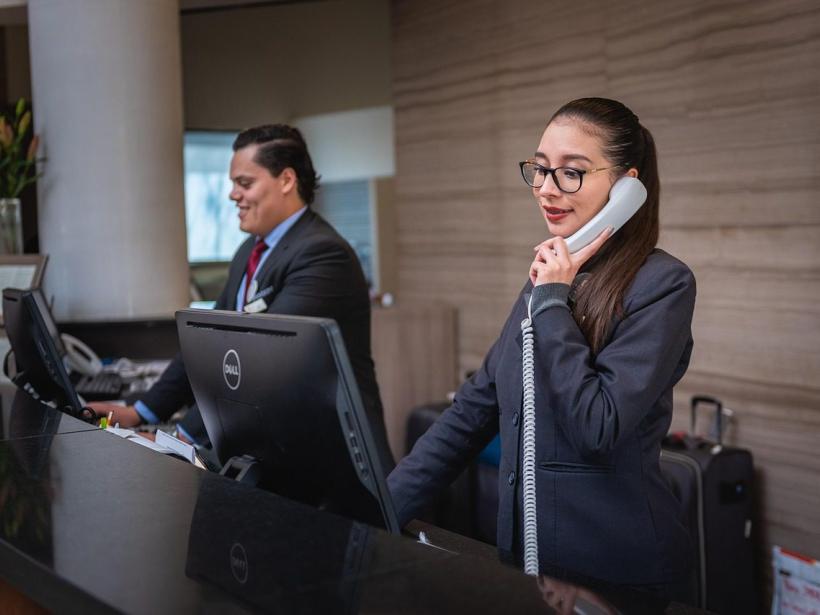
Ring or email the hotel before you book and ask bluntly whether each of these things is available and working. An honest “the lift is being repaired in June” is far more useful than a vague “family-friendly” tag on a booking site.
What should I look for in the dining options?
Italian meal times often start later than young children can manage, with dinner service commonly opening at 7:30 pm or later. A family-friendly hotel will offer an early dinner sitting or a flexible children's meal time from about 6 pm. Ask before you book whether the restaurant can serve a simple plate of pasta or a small cotoletta outside the standard hours. A kids' menu is useful, but the real test is whether the kitchen will adapt a dish or prepare something plain on request.
A room with a kitchenette gives you independence from restaurant schedules and is worth the extra cost for families with toddlers or fussy eaters. Check the distance to the nearest supermarket or alimentari on a map. A five-minute walk to a shop that sells fresh milk, fruit, bread and basic groceries solves breakfast and snacks without needing to eat every meal out. Where a kitchenette is not available, confirm the hotel has a kettle or can provide one, and ask whether a small fridge is standard in the room.
Confirm high chairs and booster seats directly rather than assuming from website photos. A hotel that keeps several clean high chairs on hand and offers child-sized cutlery and unbreakable cups pays attention. The dining room layout also matters. A tight space with white tablecloths and no room for a pram feels very different from a terrace with space for a restless child to stand beside the table.
How do I read hotel reviews as a parent?

Start by filtering reviews by traveller type. On Booking.com and TripAdvisor you can select "Family with young children" or similar tags, which removes couples and solo travellers who will not notice the things you care about. A hotel with a high overall score is still a poor fit if the family reviews mention thin walls, a busy road or a pool with no shallow end.
Look for specific complaints repeated by several families. One mention of noise might be a one-off, but three or four parents describing the same problem in different months tells you it's a pattern. Genuine red flags include children being turned away from the restaurant after 7 pm, cots that were promised but not provided, and balconies with wide gaps in the railings. Ignore reviews that complain about children being children, like a toddler making noise at breakfast. Those gripes tell you the hotel attracts a mix of guests, not that it is unsafe or unwelcoming.
Check the hotel's replies to negative family reviews. A manager who responds with a practical fix, like "we have now added a children's menu" or "we moved the family rooms to the quieter wing", shows they pay attention. A defensive or dismissive reply is a warning sign, especially if the complaint involved safety or a booking mix-up that left a family stranded.
Is a resort or a smaller hotel better with children?

Neither is better across the board. The right choice depends on your child’s age, temperament and how your family likes to spend the day. A resort bundles entertainment, dining and swimming into one property. A smaller hotel often gives you a quieter base in a real neighbourhood, with more flexibility to explore at your own pace.
Resorts suit families who want supervised activities and minimal logistics. A family-run pensione or agriturismo works well when you prefer personal attention, local advice and a slower rhythm. Think about whether your child thrives in group play or needs calm downtime between outings.
- Resorts offer kids’ clubs with scheduled crafts and games, which can free up a few adult hours each day.
- A smaller hotel lets you walk to a local playground or gelato shop, turning errands into an outing instead of a production.
- Family-run properties often know which beach is safest on a windy day or where to find a babysitter they trust personally.
- Resort buffets reduce the wait for food, a real advantage when a hungry toddler is losing patience.
- In a smaller hotel your child is more likely to be greeted by name and remembered at breakfast, which can ease travel shyness.
- Larger resorts can feel overwhelming in peak season, with noise and queues that wear out younger children quickly.
What safety checks should I do before booking?
Start with the hotel photos and zoom in on the balconies if you are booking a room above the ground floor. The railing should be vertical bars close enough together that a small child cannot slip through, and the gap under the lowest bar must be narrow. If the photos are unclear, call or email the hotel directly and ask for the actual bar spacing in centimetres. A balcony door also needs a childproof lock placed high up, well out of reach of curious hands.
Pool fencing in Italy must meet local regulations, but enforcement varies between regions and older properties may have grandfathered designs. Look for a self-closing, self-latching gate that opens away from the pool, and check recent guest photos rather than official hotel shots. For ground-floor rooms, test whether the windows have restrictors that limit how far they open. Finally, check the street view on Google Maps to see whether the entrance opens onto a busy road or a quiet side lane, and search recent reviews for the word "traffic".
- Examine balcony photos for vertical railing gaps a child cannot squeeze through and a low sill with no climbable horizontal bars.
- Confirm the balcony door has a high-mounted lock or a childproof catch that a toddler cannot operate.
- Check pool fence gates in recent guest photos for a self-closing, self-latching mechanism that opens outward.
- Ask the hotel whether ground-floor and upper-floor windows have restrictors or childproof locks.
- Use Google Maps street view to assess traffic speed and pedestrian access at the main entrance.
- Search reviews for words like "traffic", "busy road", "balcony" and "unsafe" to catch issues the listing omits.
Frequently asked questions
Do Italian hotels charge extra for a cot or an extra bed?
Many family-friendly hotels include a cot for infants at no charge, but an extra bed for an older child often attracts a nightly supplement. Always confirm the policy in writing before you book, as city hotels can be stricter than coastal resorts.
What is the best time of year to visit Italy with kids?
Late spring and early autumn give you warm weather without the intense summer crowds and heat. May, June, September and October are the sweet spots, though coastal towns can still be lively in July and August if you book early.
Should I book directly with the hotel or use a booking platform?
Booking platforms make it easy to compare family reviews and cancellation terms. Once you have a shortlist, a quick call or email to the hotel can clarify room layouts and child policies, and sometimes yields a better rate or a free meal for children.
Are agriturismos a good option for families?
Yes, many working farms offer spacious apartments, outdoor space and home-cooked meals that suit families well. Check whether they provide high chairs and cots, and note that a car is usually essential for reaching them.
Photo: Rodrigo_SalomonHC, Pixabay (Pixabay Content License)