
What are the biggest risks for young children travelling in Australia?
The main concerns for families are the intensity of the sun, the long distances between towns and unexpected encounters with wildlife. Violent crime is not a significant worry in the places most travellers visit. Each of these risks becomes manageable when you plan ahead and pack a few essentials.
- Sun exposure causes burns faster than many parents expect, even on overcast days in northern New South Wales.
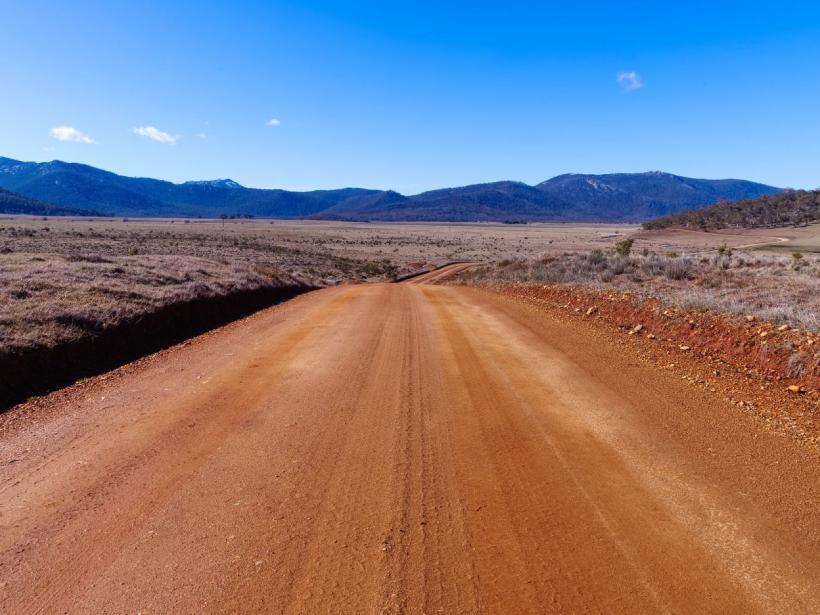
- Remote stretches of road between Nimbin, Kyogle and the coast often have no mobile reception and limited shade for an unplanned stop.
- Snakes and spiders are wary of people but a curious toddler poking under a log or into long grass can provoke a defensive bite.
- Ticks are common in the Byron hinterland and the Northern Rivers, and a thorough check after any bush walk is necessary.
- Dehydration sneaks up during car trips and outdoor play, so regular water breaks matter more than strict schedules.
Most incidents happen when a routine slips on a long travel day. A child who is tired, hot and hungry is less predictable, so building frequent stops into your itinerary is a practical safeguard. Knowing the location of the nearest hospital or medical centre in each town you pass through gives you a clear plan if something does go wrong.
How do I protect a baby or toddler from the Australian sun?

A full physical barrier works better than relying on sunscreen alone. Dress babies and toddlers in lightweight long sleeves and long pants made from closely woven cotton or rated UPF50+. A wide-brimmed hat that shades the face, neck and ears is essential, and wraparound sunglasses with an Australian Standard AS/NZS 1067 label protect young eyes from glare.
Plan outdoor play for early morning or late afternoon and keep little ones in the shade between 10am and 4pm, when UV levels peak. A pram with a ventilated sun cover and a pop-up beach tent give you portable shade anywhere.
For babies under six months, sunscreen is a backup for small areas like the face and backs of hands only. Choose a fragrance-free, water-resistant SPF50+ formula made for sensitive skin and test a dab on the wrist the day before a long outing. Reapply every two hours and after swimming or towelling.
- Dress children in loose, long-sleeved tops and full-length pants with a UPF50+ rating.
- Fit a wide-brimmed, legionnaire or bucket hat that stays on with a chin strap.
- Apply a baby-safe SPF50+ sunscreen to all exposed skin 20 minutes before going outside.
- Stay in the shade or indoors during the middle of the day, roughly 10am to 4pm.
- Use a pram shade, canopy or beach tent to create your own shade on the go.
- Offer water or milk frequently to keep hydration up in the heat.
Is it safe to drive long distances with a small child in the outback?
Long drives on remote roads are manageable with a small child if you treat the journey as a series of short hops rather than a single marathon. The real risk is not the distance but the isolation: a breakdown on a quiet outback track can leave you waiting hours for help in extreme heat. Always tell someone your route and expected arrival time before you leave phone reception.
Carry at least ten litres of drinking water per person per day, plus extra for the radiator, and keep the fuel tank above half full whenever you pass a roadhouse. Pack a physical map, a spare tyre in good condition and a basic tool kit. A satellite phone or a personal locator beacon is a sensible backup where mobile coverage is patchy.
Plan a proper stop every two hours at a shaded rest area or a small-town playground. A toddler who has run around and had a snack settles back into the car seat far more calmly than one strapped in for four hours straight. Leave early in the morning: the light is gentler, the roads are quieter and the child often naps through the first leg.
What should I pack in a first-aid kit for a family trip in Australia?

A travel first-aid kit for kids needs the usual basics plus a few extras chosen for the Australian environment. You can buy most items at any chemist in the Northern Rivers, but it is cheaper and less stressful to pack them before you leave home. Keep the kit in a cool, dry place, not in the boot of a hot car.
Country-town pharmacists can advise on minor issues, yet after hours you may be a long drive from help. A well-stocked kit lets you handle cuts, bites, tummy bugs and mild allergic reactions without hunting for a shop at night.
- Child-safe insect repellent and a tick-removal tool, because paralysis ticks live in coastal scrub along the NSW north coast all year.
- Oral rehydration solution, such as the icy-pole form, to replace fluids quickly if a child gets a gastro bug or heat stress.
- A digital thermometer, paracetamol or ibuprofen in a strength and dose suited to your child's weight, and a medicine measure.
- Adhesive bandages in different sizes, sterile wound wipes, a small tube of antiseptic cream and a pair of fine tweezers for splinters.
- Broad-spectrum sunscreen labelled SPF50+, a small tube of zinc cream for noses and cheeks, and a roll of paper tape to secure dressings on sweaty skin.
- Your child's regular medications, a written list of their names and doses, and your Medicare card or travel insurance details.
How do I keep kids safe around Australian wildlife?

Supervise children closely near any body of water, whether it is a beach, a creek or a campsite dam. Estuarine crocodiles inhabit tidal rivers and coastal areas across northern Australia, and a toddler at the water’s edge is the size of their natural prey. In southern states the risk shifts to snakes near creeks and to rips at surf beaches, so always swim between the flags at patrolled beaches and keep small children within arm’s reach in the shallows.
Teach children early that hollow logs, rock crevices and piles of leaf litter are homes, not hiding spots for a game. Snakes and spiders often shelter in these places, and a small hand reaching in can provoke a defensive bite. A simple rule works best: look with your eyes, never with your fingers. At bush campsites, shake out shoes and clothing left outside overnight and zip tents fully closed before dark.
Kangaroos and wallabies in picnic areas and campgrounds look tame but stay wild. A male kangaroo standing tall and scratching his chest is giving a warning, and a kick can seriously injure a child. Do not let kids approach or feed any native animal, and pack food away so possums and goannas are not drawn into camp after sunset.
What do paediatricians say about travelling in Australia with a baby?
Paediatricians generally agree that Australia is a safe destination for a baby when parents prepare well. Routine immunisations should be up to date before you travel, especially if your itinerary includes rural or outback areas where access to a hospital may be limited. Your family GP can confirm the standard Australian childhood vaccination schedule and discuss whether any additional protection makes sense for your trip.
A baby’s skin and temperature regulation need constant attention in the Australian climate. Paediatric dermatologists recommend keeping infants under six months out of direct sun entirely and using a broad-spectrum SPF 50+ sunscreen formulated for babies on any exposed skin for older infants. A lightweight long-sleeved swimsuit, a wide-brimmed hat that stays on, and a pram with a tested sunshade are all considered essential. A baby can overheat quickly in a parked car, so plan stops where you can take the child out each time.
Have a clear plan for medical help before you need it. Know the location and phone number of the nearest hospital or after-hours GP clinic at each town on your route. In remote parts of the Northern Rivers, the nearest emergency department may be an hour away. The Healthdirect hotline on 1800 022 222 is a free 24-hour service staffed by registered nurses, and it is a practical first point of contact if you are unsure how serious a symptom is.
Frequently asked questions
Is the water safe for kids to drink?
Tap water in Australian cities and towns is safe and tastes good. In very remote communities or on rural tank water, ask locally or boil water for babies under six months. Carry a refillable bottle for each child.
Are there dangerous spiders or snakes in holiday accommodation?
Encounters inside clean, well-used accommodation are rare. Show children what to do if they see a spider or snake: walk away slowly and tell an adult. Shake out shoes and towels left on the ground before use.
Do I need special travel insurance for a child?
Standard family travel insurance covers children, but check that it includes ambulance transport and, for remote areas, helicopter evacuation. Read the fine print on pre-existing conditions and declare everything honestly.
Photo: Mark Thomas, Pexels (Pexels License)