
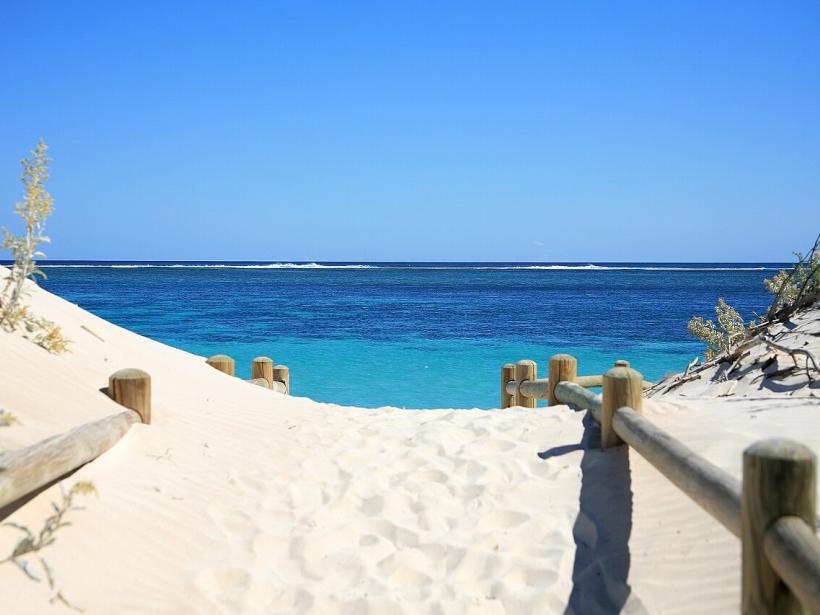

Ningaloo Reef is a fringing reef on the Western Australian coast, and it rivals the Great Barrier Reef because you can wade in from the beach and be over living coral within minutes. Most visitors base themselves in Exmouth or Coral Bay and plan around the whale shark season, roughly March to July.
Ningaloo stretches roughly 260 kilometres along the North West Cape. It is World Heritage listed and far quieter than its famous eastern cousin. Red dust, blue water, nothing in between.
Ningaloo Reef at a Glance
| Question | Short answer |
|---|---|
| Main bases | Exmouth (north), Coral Bay (south) |
| Getting there | Fly Perth to Learmonth, about two hours, or drive over a thousand kilometres |
| Whale sharks | Roughly March to July |
| Humpback whales | Roughly July to October |
| Time needed | Four to five days is comfortable |
| Book ahead | Accommodation, camping, swim tours |
How Do You Get to Ningaloo Reef?
Most travellers base themselves in Exmouth, the main town at the top of the cape. Learmonth airport sits roughly 35 kilometres from town, and flights from Perth take around two hours. Driving from Perth is a serious road trip of well over a thousand kilometres, so plan on a few days each way.
Coral Bay, further south, is the other gateway. It is a tiny settlement where the reef comes right up to the beach. Many people drive the coast and visit both. Decision rule: if you have under a week, fly and base in Exmouth. If you have two weeks or more, drive and stop at Coral Bay on the way.
When Is the Best Time to Visit?
Timing shapes the whole trip, because the wildlife follows the seasons.
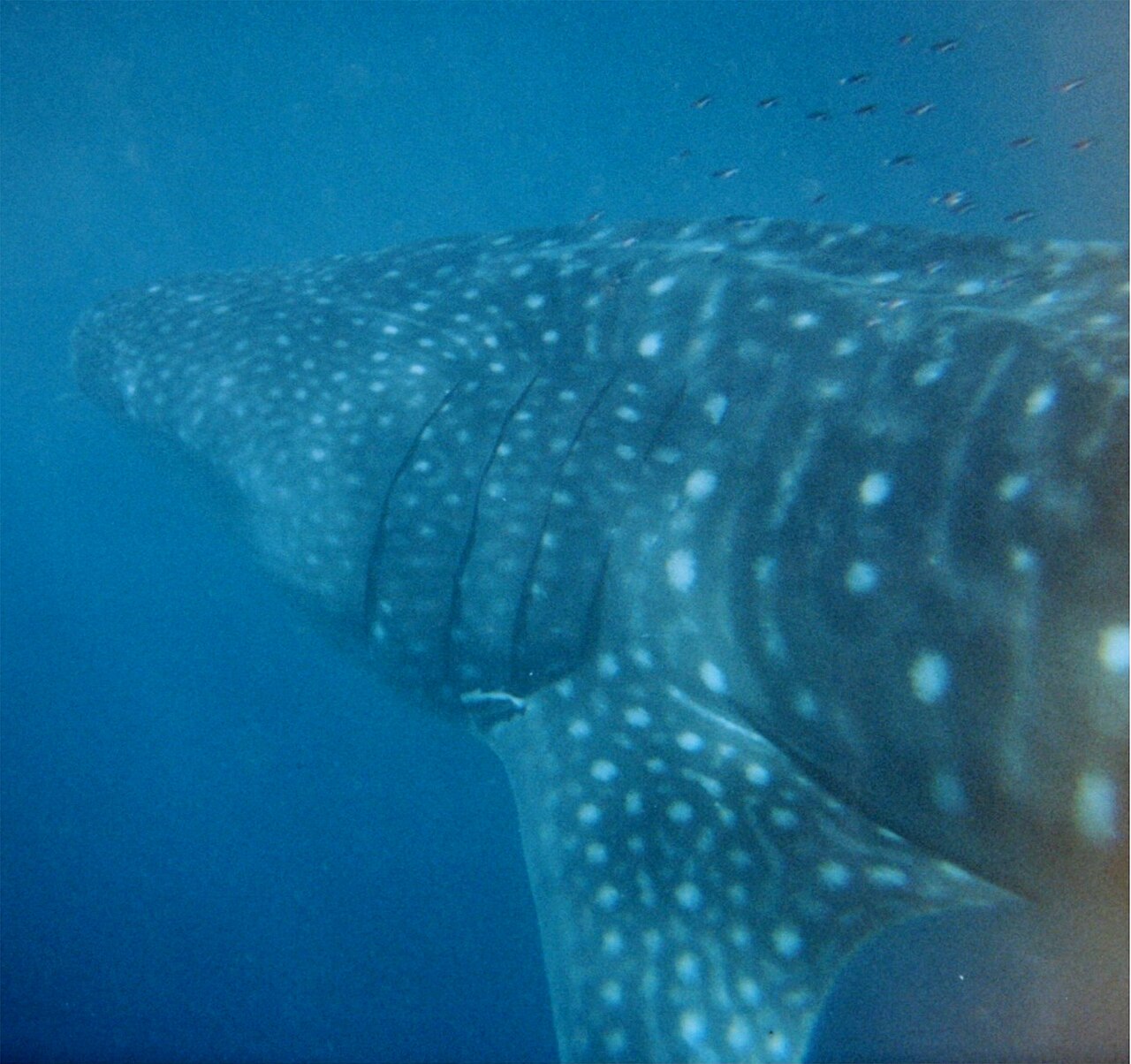
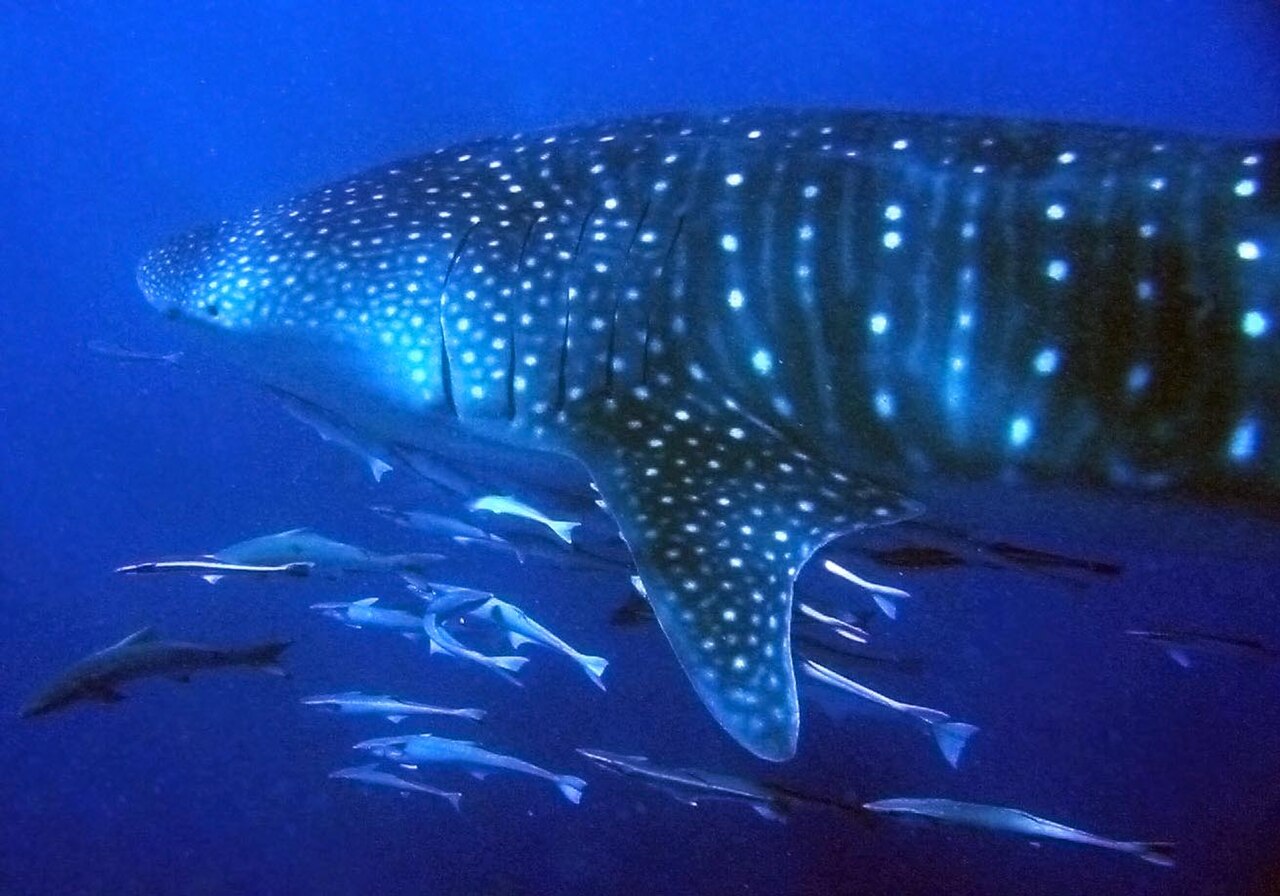
- Whale sharks: the season runs roughly from March to July, when these gentle giants gather along the reef.
- Humpback whales: they pass through roughly from July to October, and tours are popular in those months.
- Turtles: nesting happens in the warmer months around the end of the year, with hatchlings heading to the sea in the weeks after.
Manta rays can be seen across much of the year, so a trip outside the whale shark window is still rewarding. Summer is very hot and can bring cyclone risk, so check forecasts.
What Should You Actually Do?
Snorkel Straight Off the Beach
This is the big drawcard. At spots such as Turquoise Bay, you can wade in and drift along the reef with the current, watching coral and tropical fish pass beneath you. Check conditions and local signs first, because currents can be strong, and plan your exit point before you get in.
Swim with Whale Sharks and Manta Rays
Licensed tour operators run whale shark swims in season, and similar trips go out for manta rays. The rules on how close you can get are strict, which is good for the animals and good for you. Book ahead in peak months and expect a full day on the water.
Explore Cape Range National Park
The park sits right behind the reef. Rugged limestone gorges, rock wallabies and sweeping lookouts make it a good counterpoint to a day in the water. A park entry fee usually applies. If you loved the ancient landscape of Kakadu National Park, this park will feel like a cousin from the west.
Where Should You Stay?
Exmouth has motels, holiday units, caravan parks and places to eat. Coral Bay offers a smaller selection, mostly simple and close to the beach. Camping inside Cape Range National Park is a favourite for people who want to wake up near the reef, though sites are limited and need to be booked well in advance. In school holidays and whale shark season, reserve early rather than hoping for a gap.
Common Mistakes
- Underestimating distances and arriving with low fuel.
- Booking whale shark tours for the wrong months.
- Snorkelling in strong drift without checking the exit point.
- Skipping sun protection because the water feels cool.
Practical Tips Before You Go
- Pack reef-safe sunscreen, a rash vest and a good mask.
- Carry plenty of water and fuel, since services are sparse.
- Respect marine park zones and never touch coral or wildlife.
- Plan outdoor activity for the cooler parts of the day.
Frequently Asked Questions
When is the best time to swim with whale sharks at Ningaloo?
Roughly March to July, though tour operators confirm exact dates each year.
How many days do you need at Ningaloo?
Four to five days lets you snorkel, take one wildlife tour and see Cape Range National Park without rushing.
Is Ningaloo better than the Great Barrier Reef?
It is different. Ningaloo is easier to reach from the shore and quieter, while the Great Barrier Reef is larger and has more outer reef options.
Can you snorkel at Ningaloo without a tour?
Yes, at several beach spots, but check currents and conditions before you enter.
If you enjoy remote, uncrowded coastlines, you might also like the quieter side of the east coast at Booderee National Park.